{
Skip to content
{
Skip to content 


Mera Peak vs Kilimanjaro: Which Climb is Right for You?
When deciding between Mera Peak vs Kilimanjaro, both offer thrilling high-altitude adventures, but they cater to different climber profiles. Mera Peak in Nepal’s Himalayas (6,476m/21,247 ft) is a semi-technical trekking peak with stunning Everest views, while Mount Kilimanjaro in Tanzania (5,895m/19,341 ft) is a non-technical hike up Africa’s tallest mountain. This comprehensive comparison covers difficulty, cost, success rates, best times, and more to help you choose. Whether you’re eyeing the Mera Peak vs Kilimanjaro for your next expedition, factors like technical skills and duration play key roles. For Kilimanjaro-specific planning, visit the Mount Kilimanjaro Guide.
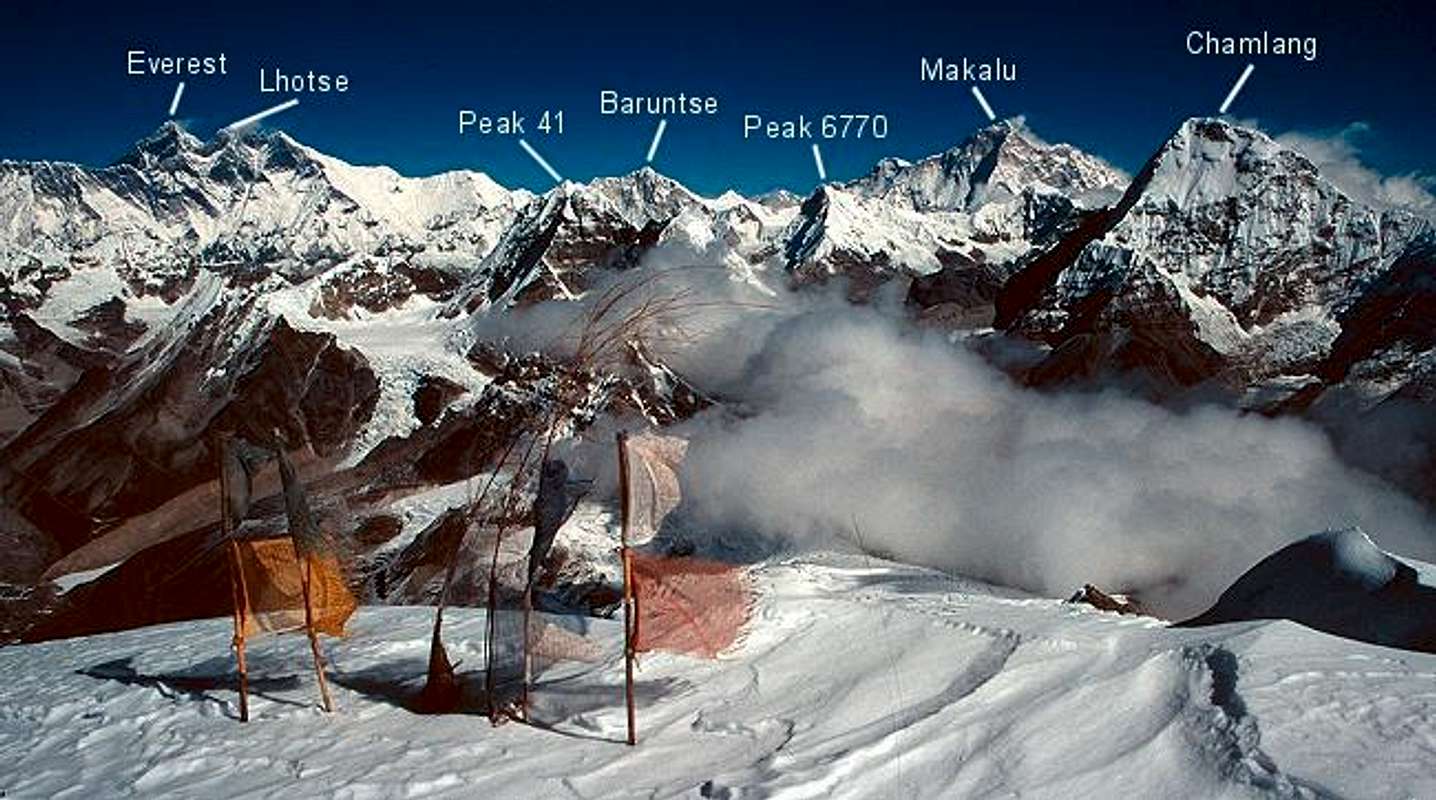
Overview of Mera Peak and Kilimanjaro
Mera Peak, located in Nepal’s Solu-Khumbu region, is the highest trekking peak at 6,476m, involving basic mountaineering like crampons and ice axes on non-technical terrain. Kilimanjaro, in Tanzania, is a free-standing volcano at 5,895m, requiring no technical skills—just endurance for multi-day hiking. Both are entry-level high-altitude climbs, but Mera demands more preparation for its Himalayan remoteness, while Kilimanjaro is accessible with shorter durations.
Mera Peak vs Kilimanjaro Comparison Table
Here’s a head-to-head comparison based on key factors for climbs:
| Aspect | Mera Peak | Kilimanjaro |
|---|---|---|
| Height | 6,476m (21,247 ft) | 5,895m (19,341 ft) |
| Location | Nepal (Himalayas) | Tanzania (Africa) |
| Difficulty | Moderate-technical (PD grade, crampons needed) | Moderate-non-technical (hiking only) |
| Duration | 14-18 days | 5-9 days |
| Cost (2025) | $2,100-$3,000 | $1,800-$4,000 |
| Success Rate | 70-95% | 50-80% (varies by route) |
| Best Time | Spring (Mar-May), Autumn (Sep-Nov) | Dry seasons (Jun-Oct, Dec-Mar) |
| Technical Skills | Basic mountaineering | None required |
| Scenery | Himalayan giants like Everest | Diverse ecosystems, glaciers |
Difficulty Comparison: Mera Peak vs Kilimanjaro
In the Mera Peak vs Kilimanjaro difficulty debate, Mera is often considered more challenging due to its higher altitude and semi-technical sections requiring fixed ropes and basic climbing gear, rated PD (Peu Difficile). Kilimanjaro is a strenuous hike with no technical demands, but its rapid ascent on shorter routes can lead to severe AMS. Mera’s longer itinerary aids acclimatization, making it “easier” for some, while Kilimanjaro’s physical demands from steep trails like the Barranco Wall add intensity. Overall, Mera suits those with some mountaineering experience; Kilimanjaro is accessible for fit hikers.
Cost Comparison: Mera Peak vs Kilimanjaro
Mera Peak vs Kilimanjaro cost analysis shows Mera ranging $2,100-$3,000 for 14-18 days, covering permits, gear, and remote logistics in Nepal. Kilimanjaro costs $1,800-$4,000 for 5-9 days, with park fees ($800+) and easier access. Mera’s higher price reflects Himalayan isolation and technical elements; Kilimanjaro can be budget-friendly but luxury options push it up. Factor flights: Nepal ~$800-1,200, Tanzania ~$650-1,500 from US/Europe.
Success Rate Comparison: Mera Peak vs Kilimanjaro
Mera Peak vs Kilimanjaro success rates favor Mera at 70-95%, thanks to longer acclimatization and lower technical demands for prepared climbers. Kilimanjaro averages 50-80%, varying by route (e.g., 50% on 5-day Marangu, 95% on 9-day Northern Circuit). Mera’s rates benefit from experienced groups; Kilimanjaro’s drop from rushed itineraries and AMS.
Best Time to Climb: Mera Peak vs Kilimanjaro
The best time for Mera Peak vs Kilimanjaro differs: Mera in spring (Mar-May) or autumn (Sep-Nov) for stable weather and clear Himalayan views. Kilimanjaro in dry seasons (Jun-Oct or Dec-Mar) to avoid rains. Both peaks are climbable year-round, but optimal windows minimize risks like snow or mud.
Preparation and Training for Mera Peak vs Kilimanjaro
For Mera Peak vs Kilimanjaro preparation, both require 4-6 months of training with cardio, strength, and hikes. Mera needs basic climbing skills (ice axe/crampons); Kilimanjaro focuses on endurance. Altitude training helps both; costs for gear/training similar ($500-1,000). Mera demands more for technical aspects.
Pros and Cons: Mera Peak vs Kilimanjaro
Mera Peak Pros: Higher altitude prestige, Himalayan views, technical intro. Cons: Longer/more expensive, remote.
Kilimanjaro Pros: Shorter/accessible, diverse ecosystems, non-technical. Cons: Lower success on short routes, crowded.
FAQs About Mera Peak vs Kilimanjaro
Is Mera Peak Harder Than Kilimanjaro?
Mera is technically harder with climbing gear, but Kilimanjaro’s quick ascent can feel more demanding for AMS.
What is the Cost Difference Between Mera Peak vs Kilimanjaro?
Mera $2,100-$3,000 for longer trips; Kilimanjaro $1,800-$4,000 for shorter.
What is the Success Rate for Mera Peak vs Kilimanjaro?
Mera 70-95%; Kilimanjaro 50-80%, depending on route.
What is the Best Time for Mera Peak vs Kilimanjaro?
Mera: Mar-May/Sep-Nov; Kilimanjaro: Jun-Oct/Dec-Mar.
Planning a Kilimanjaro climb? Check the Mount Kilimanjaro Guide for routes and bookings.