{
Skip to content
{
Skip to content 


Kilimanjaro Rainy Season: Should You Climb During Wet Months? Pros, Cons & Tips
Considering a climb during the Kilimanjaro rainy season? The wet periods—long rains from mid-March to May and short rains from November to mid-December—bring challenges like slippery trails, heavy downpours, and reduced visibility, making them less ideal for most climbers. However, if you’re set on trekking in the Kilimanjaro rainy season, fewer crowds and lush scenery await, though success rates drop to 50-60% vs. 90%+ in dry months. Climbing is possible but riskier—opt for experienced operators. At Mount Kilimanjaro Guide, we advise dry seasons for safety, but our ethical packages handle wet conditions with expert guides and gear, achieving high success even off-peak. Over 50,000 climb annually, but rainy months see far fewer—read on for pros, cons, tips, and alternatives.
Kilimanjaro’s equatorial location creates two rainy seasons: long (mid-Mar to May/early Jun) with heavy afternoon storms, and short (Nov to mid-Dec) with lighter rains. Dry seasons (Jan-Mar, Jun-Oct) are prime for clear summits.
What is the Kilimanjaro Rainy Season? Dates & Weather Overview
The Kilimanjaro rainy season divides into:
- Long Rains (Mid-March to May/Early June): Heaviest rainfall (April peak), muddy trails, frequent storms. Temps: 50-86°F base, colder higher. Avoid unless experienced—evac risks rise.
- Short Rains (November to Mid-December): Lighter, intermittent showers; greener landscapes. Better than long rains but still slippery.
| Season | Dates | Rainfall | Temps (Base/Summit) | Climb Recommendation |
|---|---|---|---|---|
| Long Rainy | Mid-Mar – May/Early Jun | High (daily storms) | 50-86°F / -4-14°F | Avoid; low success |
| Short Rainy | Nov – Mid-Dec | Moderate (showers) | 50-86°F / -4-14°F | Possible; fewer crowds |
Weather varies by route—northern like Rongai drier.
Pros & Cons of Climbing Kilimanjaro in Rainy Season
Pros:
- Fewer crowds: Solitude on trails.
- Lush greenery: Vibrant rainforests.
- Lower costs: 10-20% off-peak discounts.
- Wildlife: More animals in wet conditions.
Cons:
- Slippery/muddy paths: Higher fall risks.
- Poor visibility: Cloudy summits.
- Colder/wetter camps: Hypothermia threat.
- Lower success: 50-60% vs. 90% dry; more evacs.
For Kilimanjaro rainy season climb, weigh adventure vs. safety—dry months better for first-timers.
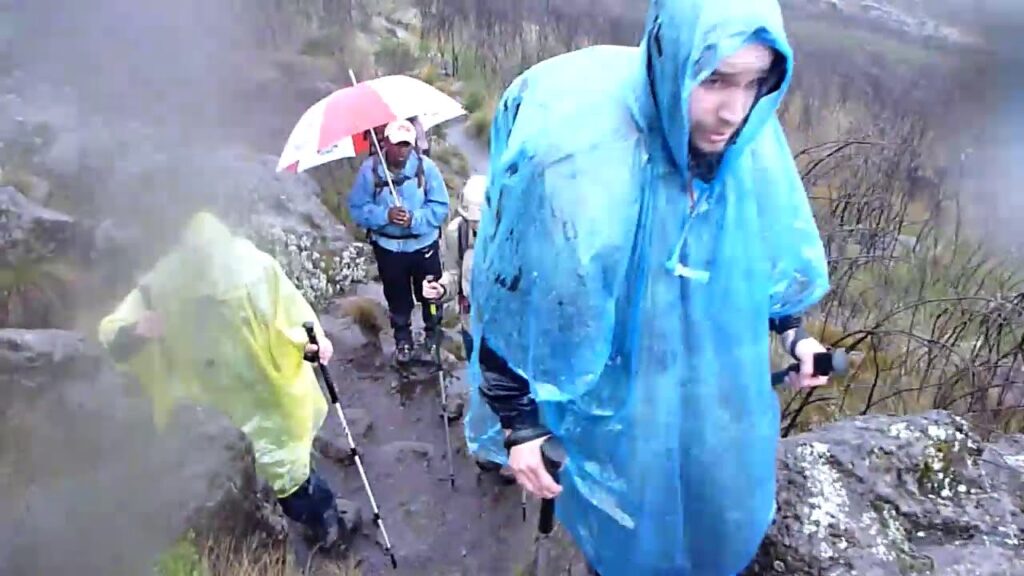
Best Routes for Kilimanjaro During Rainy Season
If climbing in Kilimanjaro during rainy season, choose drier or hut-based routes:
| Route | Duration | Why for Rainy Season? | Success Rate (Rainy) |
|---|---|---|---|
| Rongai | 6-7 Days | Northern, drier side | 70-80% |
| Marangu | 5-6 Days | Huts for shelter | 50-60% |
| Machame | 6-7 Days | Scenic but muddier | 60-70% |
Avoid southern/western like Umbwe—wetter. Our guides at Mount Kilimanjaro Guide adapt for weather.
Tips for Climbing Kilimanjaro in Rainy Season
- Gear Up: Waterproof boots/jacket, gaiters, quick-dry layers.
- Pace Slow: “Pole pole” to handle mud.
- Hydrate Extra: Rains increase humidity—3-4 liters daily.
- Health Monitor: AMS risks same; daily checks vital.
- Book Flexible: Weather evacs possible—insurance key.
- Off-Peak Savings: Book early for discounts.
Alternatives: Best Dry Seasons for Kilimanjaro Climbs
Prefer avoiding rainy season Kilimanjaro? Dry months (Jan-Mar, Jun-Oct) offer clear skies, stable trails, 90%+ success.
Frequently Asked Questions About Kilimanjaro Rainy Season
- What is the Kilimanjaro rainy season? Long: Mid-Mar-May; Short: Nov-Mid-Dec.
- Kilimanjaro in rainy season—worth it? For crowds-averse, yes; but risks higher.
- Kilimanjaro rainy season climb tips? Waterproof gear, drier routes, monitor weather.
- Rainy season Kilimanjaro pros/cons? Pros: Cheap, green; Cons: Muddy, low success.
- Kilimanjaro during rainy season weather? Heavy rains, cold, cloudy.
Book Your Kilimanjaro Climb Today
Whether in Kilimanjaro rainy season or dry, Mount Kilimanjaro Guide ensures safety. Get a free quote—climb with confidence!