 {
Skip to content
{
Skip to content 
Training for Kilimanjaro on a Treadmill: Effective Programs and Tips
If you’re preparing for the ultimate adventure of climbing Africa’s highest peak, training for Kilimanjaro on a treadmill is an excellent way to build endurance, strength, and altitude simulation from the comfort of home or gym. Mount Kilimanjaro’s trek demands stamina for long days at high elevation, and treadmill workouts can mimic the incline and pace of routes like Machame or Lemosho. This comprehensive guide covers everything for your training for Kilimanjaro on a treadmill regimen, including sample programs, tips, and common mistakes. Whether you’re in a flat area or facing bad weather, these strategies will help you conquer Uhuru Peak (5,895m/19,341 ft).
Why Train for Kilimanjaro on a Treadmill?
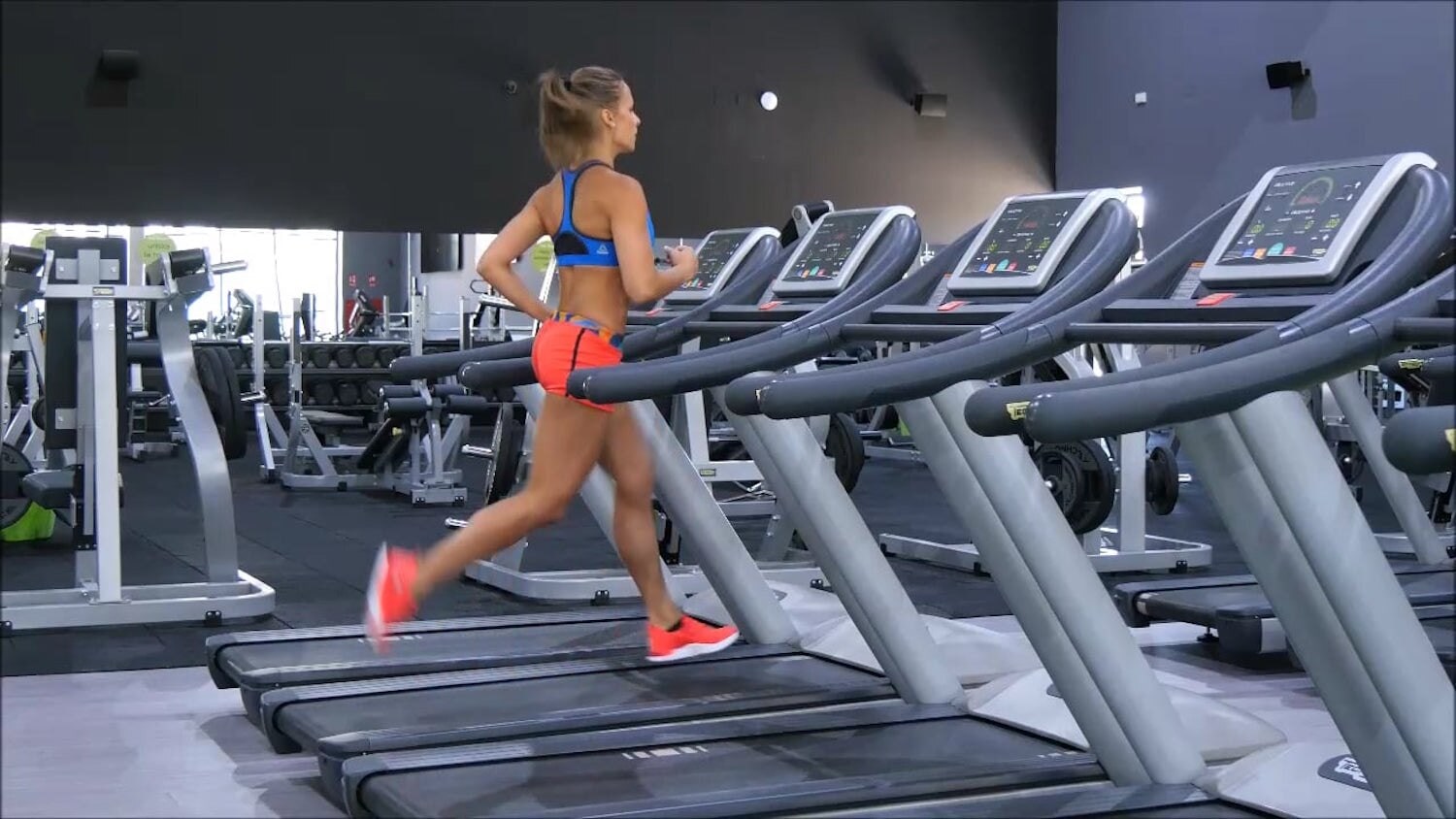
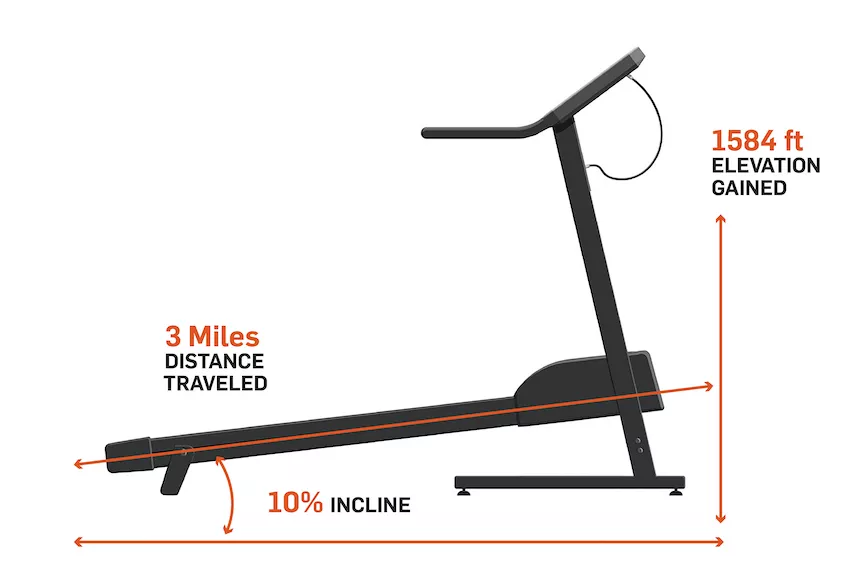
Training for Kilimanjaro on a treadmill is ideal if you lack access to hills or trails, as it allows controlled incline work to build leg strength and cardiovascular fitness. Kilimanjaro involves 5-10 days of hiking with 4,000m+ elevation gain, so treadmill sessions simulate uphill slogs like the Barranco Wall. Benefits include weather-proof training, precise pacing, and easy weight addition via backpacks. Experts recommend starting with 3% incline at a conversational pace, gradually increasing to 15% for realism. However, combine with outdoor hikes for balance, as treadmills can’t fully replicate uneven terrain.
Sample Treadmill Training Program for Kilimanjaro
A 12-16 week program is standard for Kilimanjaro prep. Focus on 3-4 treadmill sessions weekly, building duration and incline. Wear a 10-20 lb backpack to mimic carrying gear. Here’s a 12-week plan adapted from expert sources:
| Week | Session Frequency | Duration per Session | Incline | Speed/Pace | Notes |
|---|---|---|---|---|---|
| 1-2 | 3x/week | 30-45 min | 3-5% | 2-3 mph (conversational) | Focus on form; add 5 lb pack week 2 |
| 3-4 | 3-4x/week | 45-60 min | 5-8% | 2.5-3.5 mph | Include intervals: 5 min flat, 10 min incline |
| 5-6 | 4x/week | 60-75 min | 8-10% | 3-4 mph | Add 10 lb pack; mix sprints (30 sec high speed) |
| 7-8 | 4x/week | 75-90 min | 10-12% | 3-4 mph | Simulate days: 20 min uphill, 5 min flat recovery |
| 9-10 | 4-5x/week | 90-120 min | 12-15% | 3-4 mph | Full pack (15-20 lb); add downhill (negative incline if available) |
| 11-12 | 4x/week (taper) | 60-90 min | 10-15% | 3 mph | Reduce volume; focus on recovery walks |
Cross-train with squats, lunges, and core work 2x/week for full prep.

Tips for Effective Training for Kilimanjaro on a Treadmill
- Incline Focus: Set 5-15% to mimic slopes; avoid flat runs.
- Weight Training: Use a backpack with 10-20 lbs to simulate loads; build gradually.
- Intervals and Sprints: Mix slow endurance with fast bursts for cardio variety.
- Duration Over Speed: Aim for “pole pole” (slowly) pace; focus on time on feet.
- Supplement Outdoors: If possible, add weekend hikes; treadmill as backup.
- Monitor Progress: Track heart rate; aim for 60-70% max during sessions.
- Recovery: Include rest days, stretching, and nutrition for muscle repair.
- Gear: Invest in trail shoes for grip; use apps like Strava for tracking.
Common Mistakes in Treadmill Training for Kilimanjaro
Avoid over-relying on treadmills—combine with stairs or hills for balance. Don’t neglect strength training; legs and core are crucial. Start slow to prevent injury; consult a doctor if new to exercise.
FAQs About Training for Kilimanjaro on a Treadmill
Can I Train Solely on a Treadmill for Kilimanjaro?
Yes, but supplement with outdoor hikes for terrain variety; treadmill excels for incline simulation.
How Many Weeks Should I Train for Kilimanjaro on a Treadmill?
12-16 weeks minimum; start with basics and build intensity.
What Incline Should I Use for Training for Kilimanjaro on a Treadmill?
5-15%; vary to match route slopes.
Is Treadmill Training Effective for Kilimanjaro Altitude?
It builds fitness but can’t simulate altitude; consider altitude masks or trips.
How Many Hours Per Week for Treadmill Training for Kilimanjaro?
9-12 hours, spread over 3-5 sessions, increasing gradually. For full climb planning and bookings, visit the Mount Kilimanjaro Guide.
