
Best Kilimanjaro Guides: How to Choose the Top Guide Companies
The Reality of Choosing the Best Guide for Kilimanjaro
How to Identify the Best Kilimanjaro Guides
Qualification Metric | What to Look For (Green Flag) | Expert Verification & Support |
|---|---|---|
Medical Certification | Wilderness First Responder (WFR) or equivalent advanced first-aid training. | Always verify that your operator assigns a certified kilimanjaro local guide who carries emergency oxygen and a pulse oximeter. |
Company Ethics | Active KPAP (Kilimanjaro Porters Assistance Project) partnership. | For a vetted list of ethical operators and comprehensive route planning, always consult the Mount Kilimanjaro Guide. |
Experience Level | Minimum 5+ years and 100+ successful summits on the mountain. | Ask for the specific guide’s name and logbook history before booking your kilimanjaro trekking packages. |
Client Ratio | Maximum 1 lead guide per 2–3 climbers, plus assistant guides. | The best guides for Kilimanjaro never manage more than 3 clients alone, ensuring personalized attention and rapid AMS detection. |
- Entity: Best Kilimanjaro Guides
Attribute: Mandatory Medical Certification
Value: Wilderness First Responder (WFR) or Wilderness Advanced First Aid (WAFA), enabling them to recognize and treat High Altitude Cerebral Edema (HACE) and Pulmonary Edema (HAPE). - Entity: Best Kilimanjaro Guide Company
Attribute: Regulatory Licensing
Value: Must hold a valid, up-to-date operating license from TANAPA (Tanzania National Parks) and employ TAALA-registered guides. - Entity: Kilimanjaro Best Guides
Attribute: Decision-Making Protocol
Value: Empowered to make independent, non-negotiable descent decisions if a client’s blood oxygen saturation (SpO2) drops below safe thresholds, regardless of the client’s desire to continue.
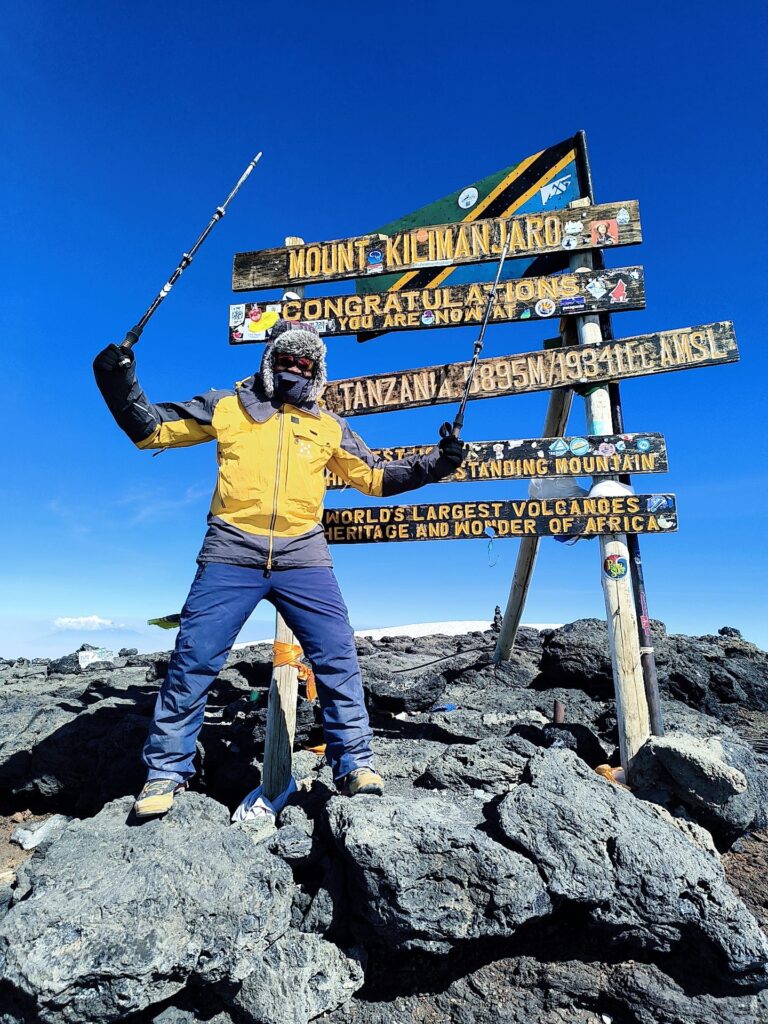
Meet Josephat Mashehe: Kilimanjaro’s Most Trusted Guide
Josephat Mashehe, a Chagga and Sukuma tribesman from Kilimanjaro’s foothills, has summited Uhuru Peak over 100 times in 15+ years. His expertise, fluency in English, and Wilderness First Responder (WFR) certification make him one of the best guides to climb Kilimanjaro .
Unparalleled Safety Protocols
| Safety Feature | Josephat’s Standard | Industry Standard |
|---|---|---|
| Guide-to-client ratio | 1:2 | 1:4 |
| Health checks | Twice daily with pulse oximeters | Once daily |
| Emergency oxygen | On every climb | Optional |
| Satellite communication | Standard | Rare |
| Evacuation protocols | Helicopter coordination established | Basic |
Expert Acclimatization Strategies
Custom “climb high, sleep low” schedules to reduce altitude sickness
Individual pace adjustments for optimal group performance
Hydration and high-carb nutrition monitoring
Optimized summit night timing for sunrise views
Premium Client Experience
Private toilet tents at all camps
Chef-prepared meals with Western and vegetarian options
Complimentary photography service
Celebration dinner at summit camp
Josephat’s Record-Breaking Success Rates
Josephat Mashehe’s team achieves 96–99% summit success rates across Kilimanjaro’s major routes—significantly higher than industry averages. These rates reflect Josephat’s focus on appropriate route selection, longer acclimatization schedules, 1:2 guide ratios, and data-driven health monitoring.
Here are the complete success rate comparisons for all major routes, including the Marangu Route.
Success Rates by Route: Josephat vs Industry Average
| Route | Duration | Industry Average | Josephat’s Success Rate | Difference |
|---|---|---|---|---|
| Lemosho | 8 days | 85% | 98% | +13% |
| Rongai | 7 days | 80% | 96% | +16% |
| Northern Circuit | 9 days | 90% | 99% | +9% |
| Machame | 7 days | 80–85% | 96% | +11–16% |
| Marangu | 6 days | 65–75% | 92% | +17–27% |
| Umbwe | 6 days | 60–70% | 90% | +20–30% |
Key insight: Even on the Marangu Route—which has the lowest industry success rates due to its shorter acclimatization schedule—Josephat’s team achieves 92% success through careful pacing, daily health monitoring, and personalized summit strategies.
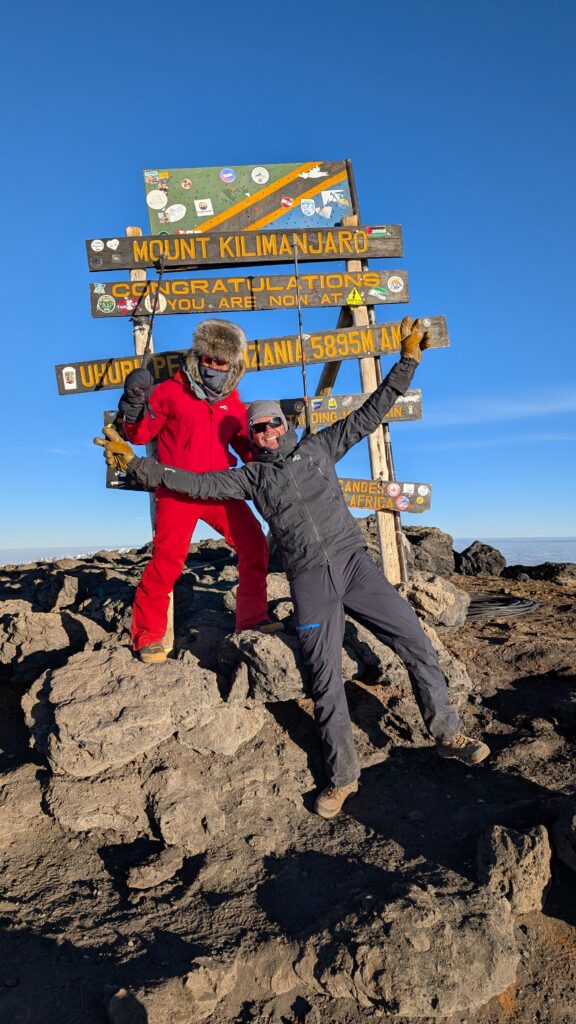
How Josephat’s Team Ensures Your Summit Success
Josephat Mashehe’s team achieves 98–99% summit success rates—significantly higher than the industry average of 80–90%—through meticulous preparation, daily health monitoring, and personalized support. His approach makes his team the best guide companies Kilimanjaro climbers choose when safety and success matter most.
Here’s exactly how Josephat’s team maximizes your chances of standing on Uhuru Peak.
What Makes Josephat’s Team Different?
| Success Factor | Josephat’s Approach | Industry Standard |
|---|---|---|
| Success rate | 98–99% | 80–90% |
| Group size | 2–6 climbers | 10–20 climbers |
| Guide ratio | 1:2 | 1:4 or worse |
| Health checks | Twice daily with oximeters | Once daily or less |
| Porter wages | $10+/day (KPAP-certified) | Often below fair wage |
| Pre-climb screening | Fitness assessment included | Rarely offered |
| Psychological coaching | Summit mindset training | Not offered |
| Contingency planning | Multiple summit strategies | Single fixed plan |
The 5-Step Josephat Method for Summit Success
Step 1: Pre-Climb Screening and Route Recommendation
Before you even arrive in Tanzania, Josephat’s team conducts a fitness assessment to recommend the best route for your specific needs.
| Assessment Area | What They Evaluate |
|---|---|
| Cardiovascular fitness | Hiking endurance, elevation tolerance |
| Previous hiking experience | Terrain, altitude, duration |
| Health history | Medications, conditions affecting altitude |
| Time availability | Optimal route length for acclimatization |
| Summit goals | Realistic expectations and pacing strategy |
Why it matters: Choosing the wrong route is the #1 reason climbers fail. A 5-day Marangu attempt for an unprepared climber has a 30% success rate, while an 8-day Lemosho with proper screening achieves 98% .
Step 2: Daily Health Tracking with Oximeters
Every morning and evening, Josephat’s team conducts comprehensive vitals checks on every climber
| Health Metric | Why It’s Monitored |
|---|---|
| Oxygen saturation (SpO2) | Detects altitude sickness before symptoms appear |
| Heart rate | Indicates cardiovascular stress |
| Blood pressure | Monitors altitude response |
| Body temperature | Early hypothermia detection |
| Hydration status | Prevents altitude-related complications |
| AMS symptom checklist | Headache, nausea, dizziness, fatigue |
The data-driven advantage: Josephat’s team uses pulse oximeter readings to make real-time decisions about pacing, rest days, and summit timing. If your SpO2 drops below safe levels, they adjust the itinerary immediately—not after symptoms become severe .
Step 3: Nutrition Focus for Energy and Acclimatization
Josephat’s team provides high-calorie, high-carb meals designed specifically for high-altitude performance.
| Meal Component | Examples | Purpose |
|---|---|---|
| Complex carbohydrates | Pasta, rice, potatoes | Sustained energy release |
| Warm soups | Vegetable, lentil, chicken | Hydration and comfort |
| Fresh fruit | Bananas, oranges, apples | Vitamins and quick energy |
| High-calorie snacks | Nuts, chocolate, energy bars | Summit night fuel |
| Hot beverages | Tea, coffee, hot chocolate | Warmth and morale |
| Electrolyte drinks | Rehydration salts | Prevent dehydration |
Why nutrition matters at altitude: Appetite suppression is a common altitude symptom, and climbers who don’t eat enough risk exhaustion. Josephat’s chefs prepare familiar, appetizing meals that keep energy levels high .
Step 4: Psychological Coaching for Summit Mindset
Summit night is as much mental as physical. Josephat’s team provides psychological coaching to boost confidence and prepare climbers for the challenges ahead.
| Coaching Element | What It Involves |
|---|---|
| Summit mindset training | Visualization, positive self-talk, goal-setting |
| Pacing psychology | “Pole pole” philosophy—patience over speed |
| Fear management | Addressing height, cold, and darkness concerns |
| Team bonding | Building trust with guides and fellow climbers |
| Celebration planning | Focusing on the reward, not just the struggle |
The mental edge: Climbers who receive psychological preparation are more likely to push through discomfort and reach the summit. Josephat’s team knows exactly what to say—and when to say it—to keep you moving .
Step 5: Contingency Planning for Weather and Health
Josephat’s team never relies on a single summit strategy. They prepare multiple contingency plans for weather changes, health issues, and unexpected challenges.
| Contingency | Strategy |
|---|---|
| Bad weather on summit night | Wait for window, adjust timing, use alternative route |
| Climber health concerns | Descend to lower altitude, administer oxygen, evacuation if needed |
| Group pace differences | Split into sub-groups with dedicated guides |
| Equipment failure | Backup gear available at every camp |
| Trail closures | Alternative routes pre-planned |
The safety net: Multiple strategies mean Josephat’s team can adapt to any situation without compromising safety or success .
Why Choose Josephat Over Other Kilimanjaro Guides?
With hundreds of operators in Tanzania, Josephat’s service shines as the Kilimanjaro best guides for these reasons:
Higher Success Rates
| Guide/Operator | Success Rate |
|---|---|
| Josephat Mashehe | 98–99% |
| Industry average | 80–90% |
| Budget operators | 60–75% |
Josephat’s 98–99% success rate is achieved through longer routes, 1:2 guide ratios, and data-driven health monitoring .
Smaller Groups for Personalized Attention
| Group Size | Operator Type | Attention Level |
|---|---|---|
| 2–6 climbers | Josephat’s team | Personalized, flexible |
| 10–20 climbers | Budget operators | Minimal, fixed pace |
Smaller groups mean:
-
Your guide knows your name, your health history, and your summit goals
-
Pace adjusts to your needs, not the slowest or fastest climber
-
Real-time decisions are made for you, not for a crowd
-
Camp experience is quieter, more private, more comfortable
Ethical Standards and KPAP Certification
Josephat’s team is KPAP-certified, ensuring fair porter wages and proper gear.
| Ethical Practice | Josephat’s Standard | Budget Operator Standard |
|---|---|---|
| Porter wages | $10+/day | Often $5–7/day |
| Porter loads | Maximum 20kg | Often 25–30kg |
| Porter gear | Proper boots, jackets, tents | Inadequate or none |
| Porter food | Nutritious meals | Basic or insufficient |
| KPAP certification | Yes | Rarely |
Why it matters: Choosing a KPAP-certified operator eliminates the largest category of operator malpractice—porter exploitation—before the booking conversation begins .
Unmatched Expertise: 100+ Summits
Josephat has summited Uhuru Peak over 100 times in 15+ years. His deep knowledge includes:
-
Kilimanjaro’s ecology — five climate zones, unique flora and fauna
-
Weather patterns — optimal summit windows, seasonal changes
-
Altitude medicine — early detection and response to AMS
-
Route nuances — every trail, camp, and shortcut
-
Cultural history — Chagga heritage, mountain legends
The experience advantage: A guide who has stood on the summit 100+ times knows exactly how to get you there safely .
Josephat’s Pricing: Value Over Budget Operators
Avoid budget operators ($1,500 or less) that cut corners on safety or porter welfare. Josephat’s mid-range and luxury packages offer superior value.
| Package Tier | Price Range (USD) | What You Get |
|---|---|---|
| Budget operators | $1,500 or less | Cut corners, poor safety, exploited porters |
| Josephat mid-range | $2,938–$3,918 | 1:2 ratios, WFR guides, KPAP-certified, 98% success |
| Josephat luxury | $9,025–$14,509 | Premium hotels, private transfers, gourmet dining, 99% success |
The value equation: A $1,500 budget climb that fails to summit costs you $1,500 plus flights, gear, and time. A $3,000 Josephat climb with 98% success is the better investment .
Josephat’s Team vs Other Kilimanjaro Guides: Full Comparison
| Feature | Josephat Mashehe | Other Top Guides | Budget Operators |
|---|---|---|---|
| Success rate | 98–99% | 85–95% | 60–75% |
| Guide ratio | 1:2 | 1:3–1:4 | 1:6+ |
| Group size | 2–6 | 8–12 | 15–20+ |
| WFR certification | Yes | Sometimes | Rarely |
| KPAP certification | Yes | Sometimes | Rarely |
| Pre-climb screening | Yes | Rarely | No |
| Daily health checks | Twice daily | Once daily | Irregular |
| Psychological coaching | Yes | No | No |
| Contingency planning | Multiple strategies | Single plan | None |
| Emergency oxygen | Standard | Optional | Rarely |
| Satellite communication | Standard | Sometimes | Rarely |
| Porter wages | $10+/day | $7–10/day | $5–7/day |
| Price range | $2,938–$14,509 | $2,500–$6,000 | $1,500 or less |
5 Qualities of the Best Kilimanjaro Guide Company
- Transparent Safety Protocols: The best guide for Kilimanjaro will conduct twice-daily health checks (morning and evening) using a pulse oximeter to monitor your heart rate and blood oxygen levels. They will openly explain their emergency evacuation plan.
- Exceptional Communication: Language barriers can be dangerous at high altitude. The best Kilimanjaro guides speak fluent English (and often other languages) and actively check in on your mental and physical state, not just your physical pace.
- Commitment to Porter Welfare: A company that treats its porters well treats its clients well. The best Kilimanjaro guide company will be a verified KPAP partner, ensuring porters are provided with proper sleeping gear, adequate food, and weight limits (max 20kg/44lbs).
- Realistic Itinerary Recommendations: Instead of pushing the cheapest, shortest 5-day routes, the best guides for Kilimanjaro will actively encourage you to book a 7-, 8-, or 9-day itinerary (like Lemosho or Northern Circuit) to maximize your acclimatization and summit probability.
- Local Expertise and Ownership: While international agencies can be good, booking directly with a locally owned best Kilimanjaro guide company ensures your money stays in the Tanzanian economy and often provides a more authentic, personalized experience.
