
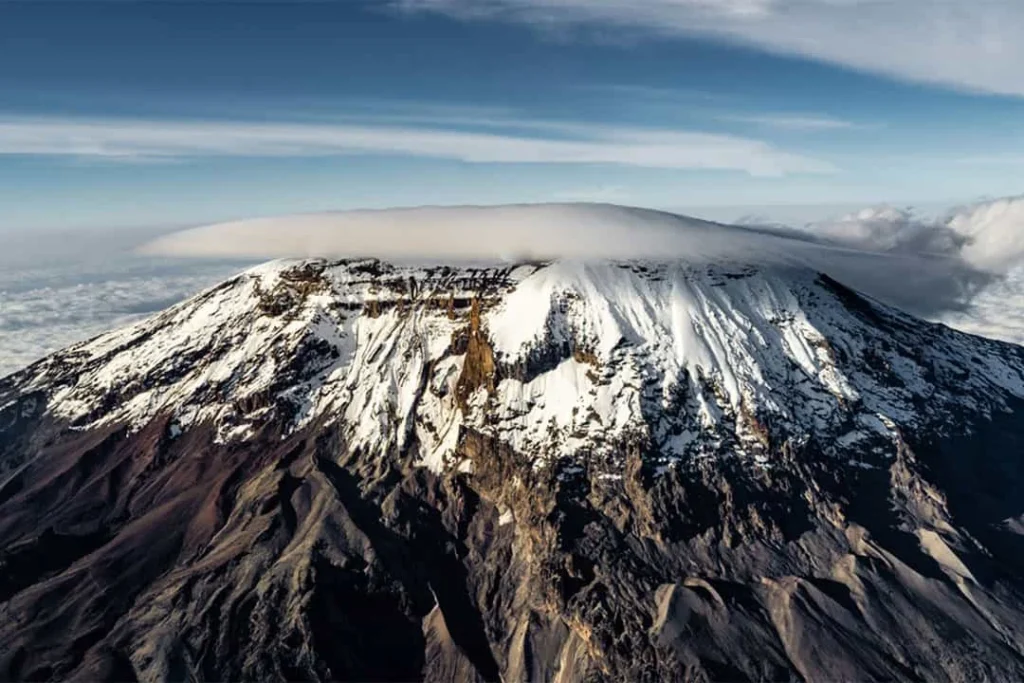
Mount Kilimanjaro Erosion: Glacial Retreat, Trail Impact & Conservation Guide
As Africa’s highest peak faces increasing environmental pressures, understanding the ecological changes on the mountain is vital for responsible travelers. If you are researching mount kilimanjaro erosion, you need accurate, science-backed data on how climate change and human activity are reshaping this iconic landscape.
The short answer is that mount kilimanjaro erosion manifests in two primary ways: glacial retreat (the mountain has lost over 80% of its ice cover since 1912 due to shifting climate patterns) and trail degradation (soil compaction, root exposure, and path widening caused by heavy foot traffic and extreme weather). While the mountain’s volcanic rock is highly resistant to natural water erosion, the delicate alpine ecosystems and remaining glaciers are highly vulnerable.
This comprehensive guide breaks down the exact causes of mount kilimanjaro erosion, the current state of its famous glaciers, and the expert conservation protocols every climber must follow to protect the mountain for future generations.
What is causing Mount Kilimanjaro erosion? Mount kilimanjaro erosion is primarily driven by two factors: glacial retreat (the mountain has lost ~85% of its ice volume since 1912 due to climate change and reduced precipitation) and trail degradation (soil compaction, root exposure, and path widening caused by the 30,000+ annual climbers and extreme weather cycles). Sustainable tourism and strict park regulations are critical to mitigating this impact.
The Two Faces of Mount Kilimanjaro Erosion
Below is the definitive breakdown of the mount kilimanjaro erosion phenomena:
Erosion Type | Primary Cause | Current Impact | Conservation Status |
|---|---|---|---|
Glacial Retreat | Climate change, reduced snowfall, increased sublimation. | ~85% loss of ice volume since 1912. Furtwängler and Rebmann glaciers are critically diminished. | Monitored by global climatologists; irreversible in the short term. |
Trail Degradation | Heavy foot traffic (30k+ climbers/year), porter loads, freeze-thaw cycles. | Exposed tree roots, widened paths, soil compaction, and localized mudslides in the rainforest zone. | Actively managed by TANAPA via designated paths, rock paving, and porter weight limits. |
Vegetation Loss | Campfire use (historically), waste mismanagement, off-trail hiking. | Degradation of fragile alpine flora (e.g., giant groundsels) above 4,000 meters. | Strictly prohibited; enforced by “Leave No Trace” policies and guide supervision. |
Glacial Retreat: The Shrinking Ice of Kilimanjaro
When scientists discuss mount kilimanjaro erosion, they are most often referring to the dramatic disappearance of its iconic ice fields.
- Historical Data: In 1912, Kilimanjaro’s summit was covered by approximately 11.4 square kilometers of ice. Today, that figure has shrunk to less than 2 square kilometers.
- The Cause: Contrary to popular belief, this is not primarily caused by global warming melting the ice directly. Instead, it is driven by a shift in regional climate patterns over the Indian Ocean, leading to drastically reduced snowfall. Without new snow to replenish the glaciers, the existing ice is slowly sublimating (turning directly from solid to vapor) in the dry, high-altitude air.
- The Timeline: Leading glaciologists predict that if current trends continue, Kilimanjaro could be entirely free of ice by the 2040s or 2050s, fundamentally altering the mountain’s hydrological cycle and visual identity.
Trail Erosion & The Environmental Impact of Climbing
While glacial retreat is a macro-climate issue, trail erosion mount kilimanjaro is a direct result of human activity. With up to 50,000 climbers, guides, and porters on the mountain annually, the physical impact is significant.
- Soil Compaction & Root Exposure: In the lower Montane Rainforest and Heath zones, constant foot traffic compacts the soil, preventing water absorption and exposing the root systems of ancient trees. This accelerates localized soil erosion on kilimanjaro during heavy rains.
- The “Social Trail” Effect: When climbers wander off designated paths for photos or bathroom breaks, they create “social trails.” This fragments fragile alpine vegetation, which can take decades to recover in the harsh, cold environment above 4,000 meters.
- Waste Management Challenges: While human waste must be carried out or buried in designated latrines, improper disposal by unregulated operators can contaminate water sources and degrade the soil microbiome.
How Climbers Can Mitigate Erosion and Environmental Impact
Responsible tourism is the most effective tool for combating mount kilimanjaro erosion. Every climber can actively protect the mountain by adhering to these expert protocols:
- Stay on Designated Paths: Never shortcut switchbacks or wander off-trail. This prevents soil compaction and protects fragile root systems.
- Choose KPAP-Compliant Operators: The Kilimanjaro Porters Assistance Project (KPAP) ensures porters are not overloaded. Overloaded porters are more likely to drop gear or take dangerous, erosive shortcuts.
- Practice Strict “Leave No Trace” (LNT): Pack out all trash, including biodegradable items like fruit peels, which do not decompose in the freezing alpine desert and attract scavengers.
- Use Portable Toilet Systems: Ensure your tour operator provides dedicated, sealed portable toilet tents rather than relying on overused, poorly maintained public pit latrines.
The Critical Role of Expert Guidance
Navigating the mountain while minimizing your ecological footprint requires professional, conservation-minded oversight. Budget operators often cut corners on waste management and trail etiquette, directly contributing to trail erosion mount kilimanjaro.
For comprehensive pre-trip planning, verifying that your operator adheres to strict environmental and waste-management protocols, and ensuring your expedition supports sustainable tourism, consulting a trusted Mount Kilimanjaro Guide is the essential first step. They will help you filter out exploitative brokers and connect you with reputable teams that prioritize the mountain’s long-term ecological health.
Furthermore, having an experienced kilimanjaro local guide is the most critical investment you can make for both your safety and the environment. A top-tier, Wilderness First Responder (WFR) certified guide will enforce strict “Leave No Trace” principles, ensure your group stays on designated paths to prevent soil degradation, and manage waste responsibly throughout the expedition.
*(Note: If you are considering the classic Marangu route, be aware that as the oldest and most heavily trafficked trail, it experiences significant foot-traffic erosion. Choosing a reputable operator that actively maintains trail etiquette and utilizes proper waste disposal is even more critical on this popular path.)*
Frequently Asked Questions (FAQ)
What is the main cause of mount kilimanjaro erosion?
Mount kilimanjaro erosion is primarily caused by two factors: rapid glacial retreat due to reduced snowfall and sublimation, and physical trail degradation caused by heavy foot traffic, soil compaction, and extreme freeze-thaw weather cycles.
Mount kilimanjaro erosion is primarily caused by two factors: rapid glacial retreat due to reduced snowfall and sublimation, and physical trail degradation caused by heavy foot traffic, soil compaction, and extreme freeze-thaw weather cycles.
How much ice has Mount Kilimanjaro lost to erosion?
Since 1912, Mount Kilimanjaro has lost approximately 80% to 85% of its glacial ice volume. The famous Furtwängler and Rebmann glaciers have shrunk dramatically and are predicted to disappear entirely within the next few decades if current climate trends continue.
Since 1912, Mount Kilimanjaro has lost approximately 80% to 85% of its glacial ice volume. The famous Furtwängler and Rebmann glaciers have shrunk dramatically and are predicted to disappear entirely within the next few decades if current climate trends continue.
Does climbing Mount Kilimanjaro cause soil erosion?
Yes, heavy foot traffic contributes to trail erosion mount kilimanjaro. Constant hiking compacts the soil, exposes tree roots, and widens paths. However, this is actively mitigated by Tanzania National Parks (TANAPA) through designated trails, rock-paving projects, and strict “Leave No Trace” regulations.
Yes, heavy foot traffic contributes to trail erosion mount kilimanjaro. Constant hiking compacts the soil, exposes tree roots, and widens paths. However, this is actively mitigated by Tanzania National Parks (TANAPA) through designated trails, rock-paving projects, and strict “Leave No Trace” regulations.
How can I prevent environmental damage when climbing Kilimanjaro?
You can minimize your impact by staying strictly on designated paths, choosing a KPAP-compliant tour operator, ensuring your crew uses portable toilet systems, and packing out all trash (including biodegradable items like fruit peels).
You can minimize your impact by staying strictly on designated paths, choosing a KPAP-compliant tour operator, ensuring your crew uses portable toilet systems, and packing out all trash (including biodegradable items like fruit peels).
