
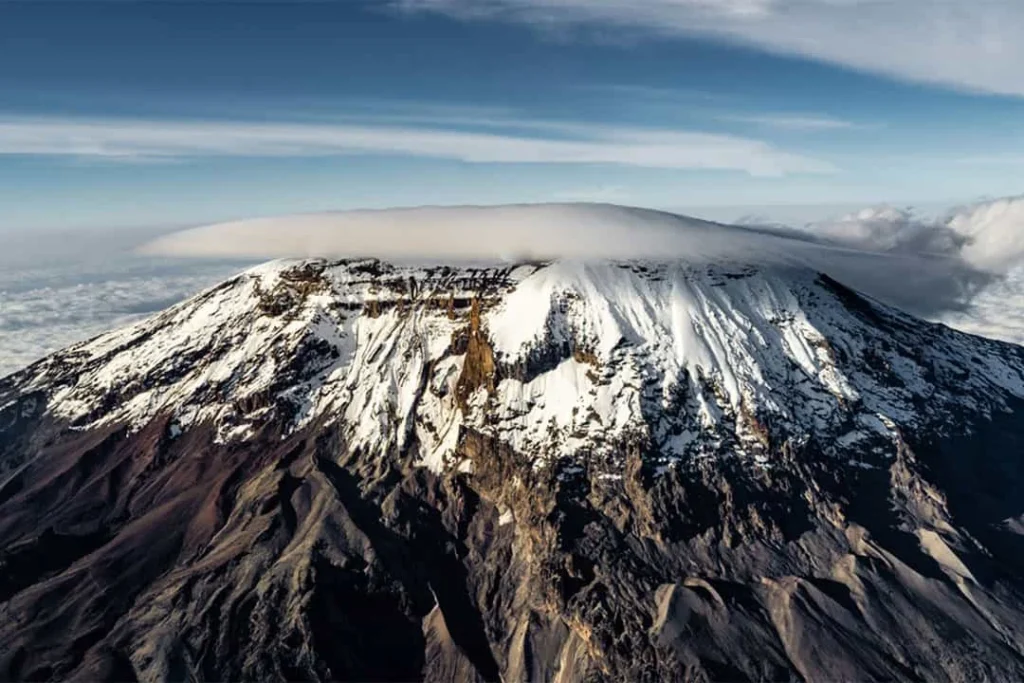
Uhuru Point Kilimanjaro: The Ultimate Guide to the Highest Point in Africa
Reaching the absolute summit of the Roof of Africa is a monumental, life-changing achievement. If you are researching uhuru point kilimanjaro, you are looking for precise geographical data, historical context, and expert insights on the ultimate goal of every climber.
The short answer is that Uhuru Point (commonly referred to as Uhuru Peak) is the official highest point of Mount Kilimanjaro and the entire African continent, standing at an exact elevation of 5,895 meters (19,341 feet) above sea level. Located on the southern edge of the Kibo crater rim, it is typically reached after a 45- to 90-minute walk along the crater rim from Stella Point.
This comprehensive guide breaks down the exact altitude metrics, the significance of the summit, the final push from Stella Point, and expert tips to ensure you safely conquer mount kilimanjaro uhuru point.
What is Uhuru Point Kilimanjaro? Uhuru Point Kilimanjaro is the official highest point of Mount Kilimanjaro and the African continent, with an elevation of 5,895 meters (19,341 feet). Located on the southern edge of the Kibo crater rim, it is the ultimate summit goal, typically reached via a 1-kilometer (0.6-mile) walk from Stella Point along the crater rim. The name “Uhuru” is Swahili for “Freedom.”
Key Metrics: Uhuru Point Kilimanjaro Elevation & Facts
Below is the definitive breakdown of the kilimanjaro uhuru point:
Metric | Exact Measurement | Context for Climbers |
|---|---|---|
Official Elevation | 5,895 meters (19,341 feet) | The highest point on Mount Kilimanjaro and the African continent. |
Location | Southern edge of the Kibo crater rim | The final destination of all major summit routes. |
Distance from Stella Point | ~1.0 to 1.5 km (0.6 to 0.9 miles) | A relatively flat but mentally taxing walk along the crater rim. |
Elevation Gain from Stella Point | 139 meters (456 feet) | The final vertical push from 5,756m to 5,895m. |
Average Summit Temperature | -15°C to -25°C (5°F to -13°F) | Extreme cold with high winds; proper layering is non-negotiable. |
Summit Certificate | “Gold” Certificate | Issued by TANAPA exclusively to climbers who reach this exact point. |
The Final Push: Kilimanjaro Stella Point to Uhuru
For climbers on routes like Machame or Rongai, the journey to the top culminates in the kilimanjaro stella point uhuru traverse.
After the grueling, steep ascent up the scree slopes to Stella Point (5,756m), the terrain changes dramatically. The final kilimanjaro uhuru point approach follows the relatively flat, rolling crater rim. While the physical incline is gentle, this 1-kilometer stretch is often the most mentally challenging part of the climb due to cumulative fatigue, extreme cold, and the “false summit” effect (where the peak disappears around the curve of the rim).
For climbers on the Marangu route, the ascent goes directly to Gilman’s Point (5,685m) before joining this same crater rim path to reach Uhuru.
Is Uhuru Peak the Highest Point of Mount Kilimanjaro Official?
Yes. When climbers ask if uhuru peak highest point of mount kilimanjaro official status is legitimate, the answer is a definitive yes.
In 1889, German geographer Hans Meyer and Austrian mountaineer Ludwig Purtscheller became the first recorded climbers to reach this exact spot, naming it “Kaiser-Wilhelm-Spitze.” After Tanzania gained independence in 1961, the peak was renamed “Uhuru,” which is Swahili for “Freedom,” symbolizing the nation’s liberation. Today, the Tanzania National Parks Authority (TANAPA) recognizes only this specific coordinate as the true summit, awarding the coveted “Gold” summit certificate exclusively to those who stand at the wooden peak sign.
The Critical Role of Expert Guidance
Navigating the extreme altitude, freezing temperatures, and hypoxia of the crater rim requires professional, safety-first oversight. The final push to uhuru point kilimanjaro is where many climbers experience the most severe effects of exhaustion.
For comprehensive pre-trip planning, route selection, and verifying that your operator has strict, safety-first turnaround protocols at high altitudes, consulting a trusted Mount Kilimanjaro Guide is the essential first step. They will help you filter out budget operators who push climbers beyond safe limits and connect you with reputable teams that prioritize your physiological well-being.
Furthermore, having an experienced kilimanjaro local guide is the most critical safety investment you can make on the mountain. A top-tier, Wilderness First Responder (WFR) certified guide will intimately monitor your blood oxygen saturation (SpO2) at Stella Point, manage your pacing along the crater rim, and make the difficult, life-saving call to descend if your condition deteriorates, ensuring you live to climb another day.
(Note: If you prefer a route with a very structured, predictable elevation profile and the comfort of permanent wooden structures rather than wilderness camping, the classic Marangu route is a viable option. It ascends directly to Gilman’s Point before traversing the crater rim to Uhuru Point, though you must strictly book the 6-day itinerary to ensure a vital acclimatization rest day is included.)
Frequently Asked Questions (FAQ)
What is the exact elevation of uhuru point kilimanjaro?
The uhuru point kilimanjaro elevation is exactly 5,895 meters (19,341 feet) above sea level, making it the highest point on Mount Kilimanjaro and the entire African continent.
The uhuru point kilimanjaro elevation is exactly 5,895 meters (19,341 feet) above sea level, making it the highest point on Mount Kilimanjaro and the entire African continent.
Is uhuru peak highest point of mount kilimanjaro official?
Yes. Uhuru Peak is the official highest point of Mount Kilimanjaro recognized by the Tanzanian government and TANAPA. It is the only location on the mountain where climbers are awarded the official “Gold” summit certificate.
Yes. Uhuru Peak is the official highest point of Mount Kilimanjaro recognized by the Tanzanian government and TANAPA. It is the only location on the mountain where climbers are awarded the official “Gold” summit certificate.
How far is it from stella point to uhuru point kilimanjaro?
The distance from kilimanjaro stella point uhuru is approximately 1 to 1.5 kilometers (0.6 to 0.9 miles) along the crater rim, with a vertical elevation gain of 139 meters (456 feet). This typically takes 45 to 90 minutes to hike.
The distance from kilimanjaro stella point uhuru is approximately 1 to 1.5 kilometers (0.6 to 0.9 miles) along the crater rim, with a vertical elevation gain of 139 meters (456 feet). This typically takes 45 to 90 minutes to hike.
What does “uhuru” mean on mount kilimanjaro?
“Uhuru” is the Swahili word for “Freedom.” The peak was renamed from its colonial name (Kaiser-Wilhelm-Spitze) to Uhuru Peak in 1961 to commemorate Tanzania’s independence.
“Uhuru” is the Swahili word for “Freedom.” The peak was renamed from its colonial name (Kaiser-Wilhelm-Spitze) to Uhuru Peak in 1961 to commemorate Tanzania’s independence.
