
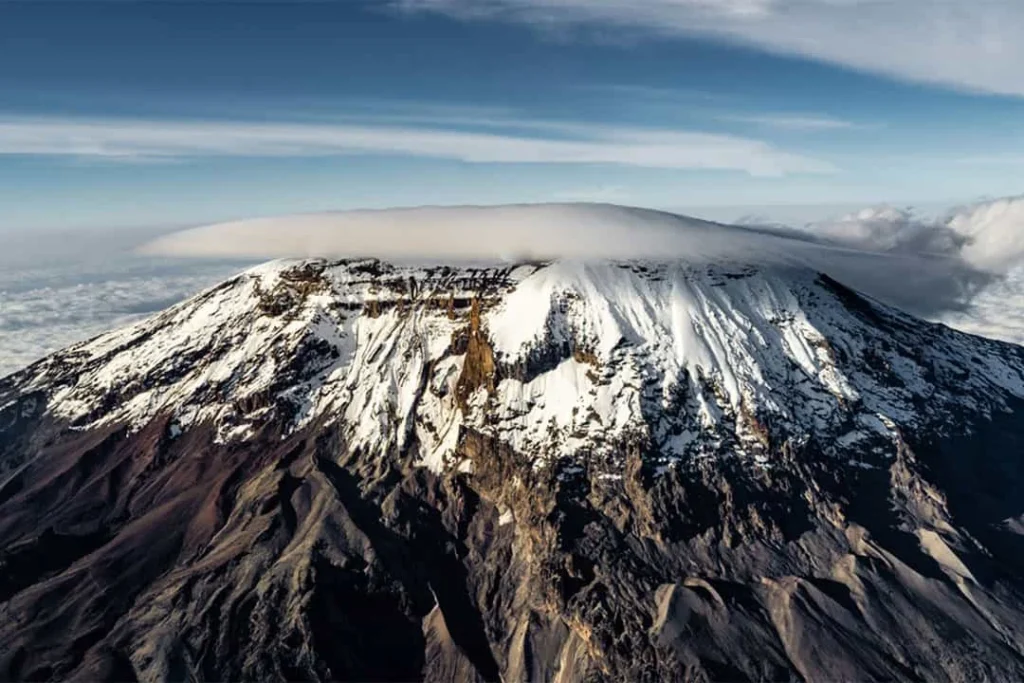
Mount Kilimanjaro National Park: The Ultimate Guide to Tanzania’s Highest Peak
Established to protect Africa’s highest mountain and its unique ecological zones, Mount Kilimanjaro National Park is a UNESCO World Heritage Site and one of the most iconic natural landmarks on Earth. If you are researching the mount kilimanjaro national park, you need precise information on park regulations, safari combinations, conservation efforts, and logistical planning for your 2026 expedition.
The short answer is that mount kilimanjaro national park encompasses the entire mountain above the tree line (approximately 1,800 meters / 6,000 feet), covering an area of 1,688 square kilometers (652 square miles) in the Kilimanjaro Region of northeastern Tanzania. It is home to seven official climbing routes, unique flora and fauna, and the rapidly retreating glaciers of the Kibo cone.
This comprehensive guide breaks down the exact geography of the mount kilimanjaro kilimanjaro national park tanzania, answers critical questions about safari combos and conservation challenges, and provides expert tips to ensure your visit is safe, legal, and unforgettable.
What is Mount Kilimanjaro National Park? Mount Kilimanjaro National Park is a UNESCO World Heritage Site in northeastern Tanzania, established in 1973 to protect Africa’s highest peak (5,895m). It covers 1,688 sq km of unique ecological zones, from montane rainforest to arctic summit. Independent climbing is illegal; all visitors must be accompanied by a licensed guide and registered with the Tanzania National Parks Authority (TANAPA).
Key Facts: Mount Kilimanjaro National Park
Below is the definitive breakdown of the park’s core metrics:
|
Metric
|
Details & Specifications
|
|---|---|
|
Location
|
Kilimanjaro Region, northeastern Tanzania (near the Kenyan border)
|
|
Established
|
1973 (Designated a UNESCO World Heritage Site in 1987)
|
|
Total Area
|
1,688 square kilometers (652 square miles)
|
|
Highest Point
|
Uhuru Peak, Kibo Cone (5,895 meters / 19,341 feet)
|
|
Governing Body
|
Tanzania National Parks Authority (TANAPA)
|
|
Official Routes
|
7 ascent routes (Machame, Marangu, Lemosho, Rongai, Northern Circuit, Shira, Umbwe) + 1 descent route (Mweka)
|
Why is Mount Kilimanjaro a National Park?
A common query is why mount kilimanjaro is a national park. The mountain was granted national park status in 1973 primarily for three critical reasons:
- Ecological Protection: To preserve the unique, stratified ecological zones (rainforest, heath, alpine desert, and arctic summit) and their endemic flora and fauna, such as the Abbott’s duiker and the Kilimanjaro shrew.
- Water Catchment Management: The mountain’s forests act as a vital water tower for the surrounding regions, feeding rivers that support local agriculture and communities.
- Regulated Tourism: To manage the growing number of climbers safely, ensure fair treatment of porters, and generate revenue for local conservation and community development through mandatory park fees.
Mount Kilimanjaro National Park Safari & Amboseli Connections
Many travelers combine their trek with a wildlife experience. A mount kilimanjaro national park safari is a popular addition, though it is important to note that the national park itself is strictly a climbing destination; game drives are not permitted inside its boundaries.
However, the nearby Amboseli National Park and Mount Kilimanjaro offer one of the most iconic photographic pairings in Africa.
- How far is Mount Kilimanjaro from Amboseli National Park? Amboseli is located in Kenya, just across the border. The park boundary is only about 20 to 30 kilometers (12 to 18 miles) from the northern slopes of Kilimanjaro. This proximity makes Amboseli the absolute best location in the world to capture stunning mount kilimanjaro national park photos of the snow-capped peak rising dramatically above herds of elephants and acacia trees.
Where to Stay at Mount Kilimanjaro National Park
Because camping is only permitted at designated high-altitude campsites during a climb, you cannot stay inside the park boundaries unless you are actively trekking. So, where to stay at mount kilimanjaro national park?
Visitors base themselves in the gateway towns surrounding the park:
- Moshi: The closest town (about 30-45 minutes from Marangu Gate). It offers a wide range of accommodations, from budget hostels to luxury boutique hotels, and is the primary hub for climbers.
- Arusha: Located about 1.5 to 2 hours away, Arusha is the “Safari Capital of Tanzania” and offers high-end lodges, international airports, and easy access to northern circuit safaris.
- Marangu Village: For those seeking a quieter, more immersive experience at the foot of the mountain, staying in Marangu village provides direct access to the Marangu route, the only trail featuring permanent wooden hut accommodations.
What Problems Does Mount Kilimanjaro National Park Face?
Despite its protected status, the park faces several critical challenges that modern conservationists and ethical tour operators are actively working to solve:
- Glacial Retreat: Due to climate change, reduced precipitation, and sublimation, Kilimanjaro has lost over 85% of its ice cover since 1912. Scientists predict the glaciers could vanish entirely by the 2040s or 2050s.
- Waste Management: With over 30,000 climbers annually, managing human waste and non-biodegradable trash at high altitudes is a massive logistical challenge. TANAPA has implemented strict “pack in, pack out” policies and designated toilet systems to combat this.
- Porter Welfare: The rapid growth of budget tourism has historically led to the exploitation of porters (overloading, inadequate gear, low pay). Ethical operators now partner with the Kilimanjaro Porters Assistance Project (KPAP) to ensure fair treatment.
- Deforestation & Fire: The lower montane forest zones face threats from agricultural encroachment and occasional wildfires, prompting aggressive reforestation and community education programs.
The Critical Role of Expert Guidance
Navigating the strict regulations, high-altitude risks, and logistical complexities of mount kilimanjaro national park requires professional oversight. Independent trekking is strictly illegal, and attempting to bypass official channels can result in denied entry or severe safety risks.
For comprehensive pre-trip planning, verifying that your operator is fully licensed by TANAPA, and ensuring your itinerary aligns with park conservation standards, consulting a trusted Mount Kilimanjaro Guide is the essential first step. They will help you filter out exploitative budget brokers and connect you with reputable teams that prioritize both your safety and the mountain’s ecological integrity.
Furthermore, having an experienced kilimanjaro local guide is the most critical safety investment you can make. A top-tier, Wilderness First Responder (WFR) certified guide will intimately monitor your health metrics, enforce the vital “pole pole” (slowly, slowly) pace, and ensure strict adherence to the park’s “Leave No Trace” waste management protocols.
If you prefer a more structured, hut-based experience within the park, the classic Marangu route is a highly popular choice. However, to comply with the park’s physiological safety recommendations, you must strictly book the 6-day itinerary to include a vital acclimatization rest day at Horombo Hut.
Frequently Asked Questions (FAQ)
Why is Mount Kilimanjaro a national park?
Mount Kilimanjaro was designated a national park in 1973 to protect its unique, stratified ecological zones, preserve its vital role as a regional water catchment area, and regulate tourism to ensure climber safety and fair treatment of local porters.
Mount Kilimanjaro was designated a national park in 1973 to protect its unique, stratified ecological zones, preserve its vital role as a regional water catchment area, and regulate tourism to ensure climber safety and fair treatment of local porters.
How far is Mount Kilimanjaro from Amboseli National Park?
Amboseli National Park in Kenya is located just 20 to 30 kilometers (12 to 18 miles) north of Mount Kilimanjaro. This close proximity makes Amboseli the premier destination for capturing iconic photos of the mountain rising above the African savanna.
Amboseli National Park in Kenya is located just 20 to 30 kilometers (12 to 18 miles) north of Mount Kilimanjaro. This close proximity makes Amboseli the premier destination for capturing iconic photos of the mountain rising above the African savanna.
Where to stay at Mount Kilimanjaro National Park?
You cannot stay inside the park unless actively climbing. The best places to stay near mount kilimanjaro national park are the gateway towns of Moshi (closest, 30-45 mins away), Arusha (1.5-2 hours away, best for safari combos), or Marangu Village (at the foot of the mountain).
You cannot stay inside the park unless actively climbing. The best places to stay near mount kilimanjaro national park are the gateway towns of Moshi (closest, 30-45 mins away), Arusha (1.5-2 hours away, best for safari combos), or Marangu Village (at the foot of the mountain).
What problems does Mount Kilimanjaro National Park face?
The park faces several challenges, including rapid glacial retreat due to climate change, high-altitude waste management from tens of thousands of annual climbers, historical porter welfare issues, and lower-elevation deforestation.
The park faces several challenges, including rapid glacial retreat due to climate change, high-altitude waste management from tens of thousands of annual climbers, historical porter welfare issues, and lower-elevation deforestation.
