
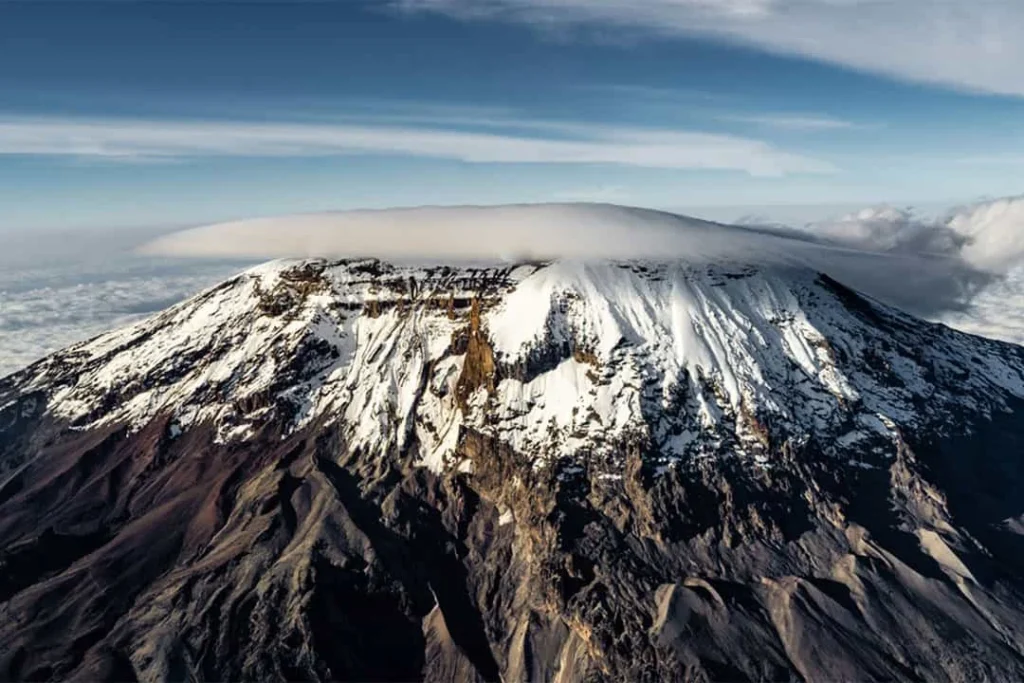
Kilimanjaro and Serengeti Tours: The Ultimate Combo Guide
Combining a summit of Africa’s highest peak with a world-class wildlife expedition is the ultimate East African adventure. If you are researching kilimanjaro and serengeti tours, you need a clear, logistical breakdown of how to seamlessly merge high-altitude trekking with expansive savannah game drives.
The short answer is that a classic serengeti and kilimanjaro tours itinerary typically spans 10 to 14 days. The most successful strategy is to climb first (taking 6 to 8 days on routes like Machame or Lemosho), take a 1-to-2 day recovery buffer in Arusha or Moshi, and then transition to a 3-to-5 day safari exploring Tarangire, the Ngorongoro Crater, and the Serengeti National Park.
This comprehensive guide breaks down the best seasons, exact itinerary options, cost expectations, and expert logistics to ensure your 2026 mt kilimanjaro and serengeti tours experience is flawless.
What is the best Kilimanjaro and Serengeti tour combo? The ideal kilimanjaro and serengeti tour spans 10 to 14 days. Climb first (6–8 days on the Machame or Lemosho route), rest for 1–2 days in Arusha/Moshi, then embark on a 3-to-5-day safari to Tarangire, Ngorongoro Crater, and the Serengeti. The best time to go is June to October (Great Migration river crossings) or January to March (calving season).
Why Combine Kilimanjaro and a Serengeti Safari?
A serengeti and kilimanjaro tours package offers the perfect psychological and physical balance for travelers:
- Physical Pacing: You tackle the most physically demanding part of the trip (the climb) while your legs and energy are fresh.
- Active Recovery: The safari serves as an active recovery period. Sitting in a 4×4 vehicle while witnessing the Big Five allows your muscles to heal while your mind remains engaged by world-class wildlife viewing.
- Logistical Efficiency: Both adventures originate from the same regional hub. Kilimanjaro International Airport (JRO) is perfectly positioned just 45 minutes from Moshi (the mountain gateway) and 1 hour from Arusha (the safari capital), making kilimanjaro serengeti and northern tanzania tours highly efficient to execute.
Best Time for Kilimanjaro and Serengeti Tours
Timing is critical to maximize both clear summit views and prime wildlife sightings.
|
Season
|
Kilimanjaro Conditions
|
Serengeti Wildlife Highlights
|
Verdict
|
|---|---|---|---|
|
June – October (Peak Dry)
|
Clear skies, dry trails, cold nights. Best summit visibility.
|
The Great Migration: Wildebeest river crossings in the Northern Serengeti (Mara River).
|
Best Overall
|
|
January – March (Short Dry)
|
Warm days, clear skies, occasional brief showers.
|
Calving Season: Hundreds of thousands of wildebeest give birth in the Southern Serengeti/Ndutu plains.
|
Excellent Alternative
|
|
April – May (Long Rains)
|
Muddy, slippery trails, heavy cloud cover.
|
Lush green landscapes, but animals are dispersed and roads can be impassable.
|
Not Recommended
|
|
November – mid-Dec (Short Rains)
|
Unpredictable showers, cooler temperatures.
|
Good bird watching, fewer crowds, but migration herds are on the move.
|
Budget-Friendly
|
Popular Itinerary Options: Mt Kilimanjaro and Serengeti Tours
Below is the definitive breakdown of kilimanjaro and serengeti tour packages:
|
Itinerary Type
|
Duration
|
Climb Route
|
Safari Highlights
|
Estimated Cost (Per Person)
|
|---|---|---|---|---|
|
Express Combo
|
7–8 Days
|
4-Day Marangu or 5-Day Machame
|
Ngorongoro Crater + Central Serengeti (1-2 days)
|
$2,500 – $3,500 USD
|
|
Classic Adventure
|
10–12 Days
|
7-Day Machame or 8-Day Lemosho
|
Tarangire + Ngorongoro + Central/Northern Serengeti (3-4 days)
|
$4,700 – $6,500+ USD
|
|
Ultimate Luxury
|
14+ Days
|
8-Day Lemosho or 9-Day Northern Circuit
|
Private fly-in safari to luxury lodges in Serengeti & Ngorongoro
|
$8,000 – $12,000+ USD
|
Note: Costs vary significantly based on private vs. shared safari vehicles, camping vs. luxury lodge accommodations, and whether international flights are included.
Step-by-Step Logistics for Your Combo Trip
1. The Order of Travel: Climb First, Safari Second
Always schedule your mt kilimanjaro and serengeti tours in this order. Attempting a safari first and then immediately tackling a 5,895-meter peak is a recipe for exhaustion and increased altitude sickness risk.
2. The Transition & Buffer Day
Do not go straight from the mountain to the bush. Schedule at least 1 to 2 full rest days in Moshi or Arusha after your descent. This allows time to recover, celebrate your summit, wash gear, and prepare for early morning game drives.
3. Route Selection Matters
For the climb, the 7-day Machame or 8-day Lemosho routes are highly recommended for their superior “climb high, sleep low” acclimatization profiles. However, if you prefer the comfort of permanent wooden huts over tent camping before your safari, the classic Marangu route is a viable option, provided you book the 6-day itinerary to ensure adequate acclimatization time.
4. Permits, Fees, and Booking
A combined trip involves complex logistics: Kilimanjaro National Park (KINAPA) conservation/camping fees, plus Serengeti entry fees (~$70–$83 per 24 hours) and Ngorongoro Conservation Area fees. Booking through a single, licensed local operator is the standard and most efficient way to handle these overlapping permits, vehicle transfers, and internal bush flights.
The Critical Role of Expert Guidance
Executing a seamless kilimanjaro and serengeti tours package requires an operator with deep expertise in both high-altitude mountaineering and wildlife logistics.
For comprehensive pre-trip planning, transparent pricing, and ensuring your mountain descent aligns perfectly with your safari departure, consulting a trusted Mount Kilimanjaro Guide is the essential first step. They will help you filter out operators who excel at one but outsource the other, connecting you instead with unified teams that manage the entire journey flawlessly.
Furthermore, having an experienced kilimanjaro local guide is the most critical safety investment you can make on the mountain. A top-tier, Wilderness First Responder (WFR) certified guide will ensure you summit safely and healthily, setting the perfect foundation for the relaxation and wonder of your subsequent Serengeti adventure.
Frequently Asked Questions (FAQ)
How many days do I need for Kilimanjaro and Serengeti tours?
A classic kilimanjaro and serengeti tour requires a minimum of 10 to 12 days. This allows 7 days for a safe Kilimanjaro climb (e.g., Machame route), 1 to 2 rest days in Arusha/Moshi, and 3 to 4 days for a comprehensive safari covering Tarangire, Ngorongoro, and the Serengeti.
A classic kilimanjaro and serengeti tour requires a minimum of 10 to 12 days. This allows 7 days for a safe Kilimanjaro climb (e.g., Machame route), 1 to 2 rest days in Arusha/Moshi, and 3 to 4 days for a comprehensive safari covering Tarangire, Ngorongoro, and the Serengeti.
What is the best time for Kilimanjaro and Serengeti tours?
The absolute best time is June to October. This period offers dry, clear climbing conditions on Kilimanjaro and coincides with the spectacular Great Migration river crossings in the Northern Serengeti. January to March is a strong second choice for the calving season.
The absolute best time is June to October. This period offers dry, clear climbing conditions on Kilimanjaro and coincides with the spectacular Great Migration river crossings in the Northern Serengeti. January to March is a strong second choice for the calving season.
Should I climb Kilimanjaro or do the Serengeti safari first?
You should always climb Kilimanjaro first. Tackling the physical and mental demands of the mountain while your body is fresh is crucial. The safari then acts as a perfect, relaxing active-recovery phase.
You should always climb Kilimanjaro first. Tackling the physical and mental demands of the mountain while your body is fresh is crucial. The safari then acts as a perfect, relaxing active-recovery phase.
Can I fly directly from Kilimanjaro to the Serengeti?
Yes. After your climb and a brief rest in Arusha, you can take a short, scenic 45-to-60-minute bush flight from Arusha Airport (ARK) or Kilimanjaro Airport (JRO) directly to airstrips in the Serengeti (like Seronera or Kogatende), saving hours of driving time.
Yes. After your climb and a brief rest in Arusha, you can take a short, scenic 45-to-60-minute bush flight from Arusha Airport (ARK) or Kilimanjaro Airport (JRO) directly to airstrips in the Serengeti (like Seronera or Kogatende), saving hours of driving time.
