
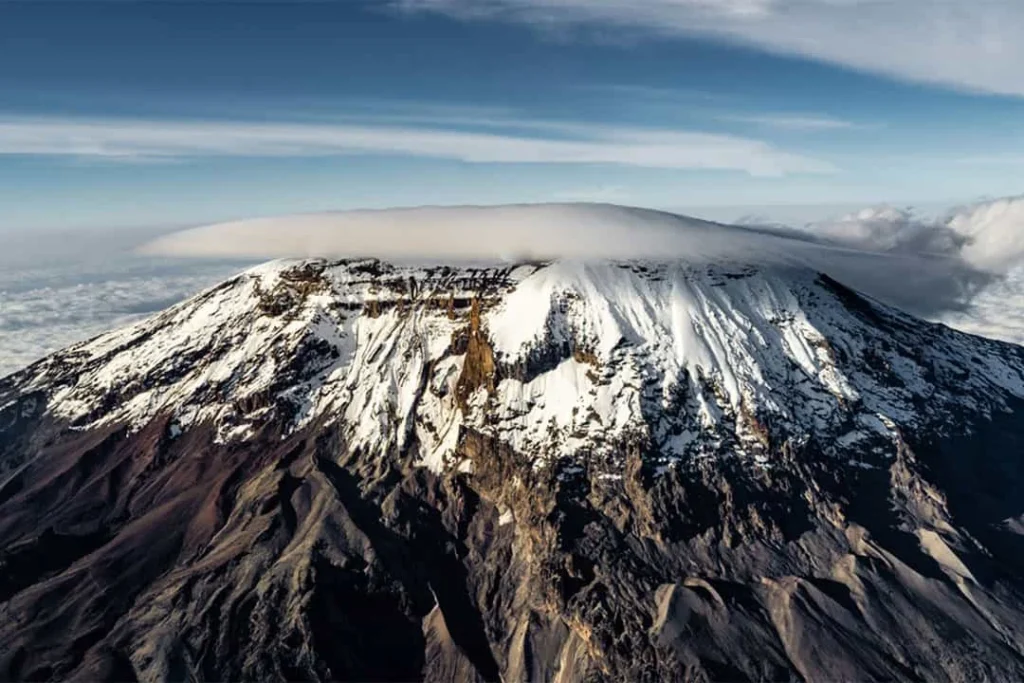
Barranco Camp Kilimanjaro: The Ultimate High-Altitude Rest & Acclimatization Guide
Trekking to the Roof of Africa involves navigating distinct ecological zones, each presenting unique challenges and rewards. If you are researching Barranco Camp Kilimanjaro, you are looking for precise details about one of the most scenic and physiologically critical overnight stops on the mountain.
The short answer is that Barranco Camp is a major high-altitude rest and acclimatization campsite situated at an elevation of approximately 3,950 to 3,960 meters (12,960 to 13,000 feet). Nestled in a sheltered valley at the base of the towering Barranco Wall (affectionately known as the “Breakfast Wall”), it serves as a vital hub for climbers on the Machame, Lemosho, Shira, Umbwe, and Northern Circuit routes.
This comprehensive guide breaks down the exact barranco camp elevation, facility realities, the crucial “climb high, sleep low” acclimatization strategy, and expert tips for conquering the wall the following morning.
Barranco Camp Kilimanjaro is a scenic, tent-only overnight campsite located at an elevation of 3,950 to 3,960 meters (12,960 to 13,000 feet). It serves as a critical acclimatization stop for southern routes (Machame, Lemosho, Umbwe) following the “climb high, sleep low” strategy. The camp features basic pit latrines, a ranger hut, and dramatic views of Kibo Peak, serving as the launchpad for the next day’s scramble up the famous Barranco Wall.
Key Details: Barranco Camp Elevation & Location
Below is the definitive breakdown of the camp’s specifications:
Metric | Specification |
|---|---|
Exact Elevation | 3,950m – 3,960m (12,960 ft – 13,000 ft) above sea level |
Location | Sheltered valley at the base of the Barranco Wall, southern Kibo cone |
Ecological Zone | Transition zone between Heath/Moorland and Alpine Desert |
Routes Served | Machame, Lemosho, Shira, Umbwe, and Northern Circuit |
Next Stop | Karanga Camp (via the Barranco Wall scramble) |
Accommodation | Tents only (pitched by porters); no permanent huts or cabins |
The “Climb High, Sleep Low” Acclimatization Strategy
The true value of Barranco Camp Kilimanjaro lies in its role in altitude acclimatization. On standard 7- to 8-day itineraries (like Lemosho or Machame), climbers will hike up to Lava Tower (approx. 4,600m / 15,090 ft) for lunch.
Exposing your body to this higher altitude stimulates the production of erythropoietin (EPO), which helps create red blood cells to carry oxygen. Afterward, you descend back down to sleep at Barranco Camp (3,960m). This “climb high, sleep low” methodology is the single most effective, natural way to prevent Acute Mountain Sickness (AMS) and prepare your body for the extreme altitudes of Barafu and Uhuru Peak.
Facilities & What to Expect at Barranco Camp
Managing expectations is key to a successful trek. The infrastructure at this barranco camp elevation is strictly utilitarian:
- Accommodation: There are no permanent lodges, huts, or cabins for climbers. You will sleep in a mountain tent carried up and pitched by your expedition porters.
- Sanitation: The camp features a central administration building with basic water closets (long-drop pit latrines). There is no running water for showers; wet wipes and hand sanitizer are essential.
- Scenery & Flora: Despite the basic facilities, the camp is visually stunning. It is surrounded by unique high-altitude flora, including giant groundsels (Dendrosenecio kilimanjari) and giant lobelias (Lobelia deckenii), with dramatic, unobstructed views of Kibo Peak and the Heim Glacier.
Conquering the Barranco Wall (“Breakfast Wall”)
The morning after sleeping at Barranco Camp, climbers face the famous Barranco Wall. Often called the “Breakfast Wall” because it is typically climbed shortly after the morning meal, it is a 257-meter (843-foot) steep rock face.
- Is it technical? No. It is a steep hike and scramble, not a technical rock climb. You will use your hands for balance, but no ropes or harnesses are required.
- The Strategy: Your guides will lead the way, showing you the safest handholds and footholds. The key is to take it slowly, maintain three points of contact, and trust your footwear.
- The Reward: Once you crest the top of the wall, you are rewarded with breathtaking, panoramic views of the Western Breach and the sprawling alpine desert below, before descending slightly into the Karanga Valley.
The Critical Role of Expert Guidance
Navigating the physiological demands of high-altitude acclimatization and the physical challenge of the Barranco Wall requires uncompromising professional oversight.
For comprehensive pre-trip planning, understanding how your body will react to the altitude shifts, and selecting an itinerary that maximizes your acclimatization window, consulting a trusted Mount Kilimanjaro Guide is the essential first step. They ensure you are not booked on a dangerously rushed itinerary that skips vital adaptation days.
Furthermore, having an experienced kilimanjaro local guide is the most critical safety investment you can make. A top-tier, Wilderness First Responder (WFR) certified guide will intimately know the Barranco Wall terrain, monitor your blood oxygen saturation, enforce the vital “pole-pole” (slowly, slowly) pacing, and make the life-saving decision to adjust the route if severe AMS symptoms manifest.
(Note: If you prefer to avoid the tent-based camping environment of Barranco Camp entirely, the classic Marangu route offers an alternative high-altitude experience with permanent, dormitory-style wooden huts, albeit via a different, steeper ascent profile).
Frequently Asked Questions (FAQ)
What is the exact barranco camp elevation kilimanjaro?
The barranco camp elevation kilimanjaro is approximately 3,950 to 3,960 meters (12,960 to 13,000 feet) above sea level, situated in a sheltered valley at the base of the Barranco Wall.
The barranco camp elevation kilimanjaro is approximately 3,950 to 3,960 meters (12,960 to 13,000 feet) above sea level, situated in a sheltered valley at the base of the Barranco Wall.
Are there toilets and showers at Barranco Camp?
There are basic long-drop pit latrines in a central toilet building at Barranco Camp. However, there are no showers or running water available for climbers. You must rely on wet wipes, hand sanitizer, and a basin wash provided by your crew.
There are basic long-drop pit latrines in a central toilet building at Barranco Camp. However, there are no showers or running water available for climbers. You must rely on wet wipes, hand sanitizer, and a basin wash provided by your crew.
Is the Barranco Wall difficult to climb?
The Barranco Wall is a steep scramble, not a technical climb. While it requires using your hands for balance and can be intimidating for those with a fear of heights, it is entirely manageable for fit trekkers with the guidance of experienced local porters and guides.
The Barranco Wall is a steep scramble, not a technical climb. While it requires using your hands for balance and can be intimidating for those with a fear of heights, it is entirely manageable for fit trekkers with the guidance of experienced local porters and guides.
Which routes sleep at Barranco Camp?
Barranco Camp is a major meeting point for trekkers on the Machame, Lemosho, Shira, Umbwe, and Northern Circuit routes. It is not used by the Marangu or Rongai routes.
Barranco Camp is a major meeting point for trekkers on the Machame, Lemosho, Shira, Umbwe, and Northern Circuit routes. It is not used by the Marangu or Rongai routes.
