
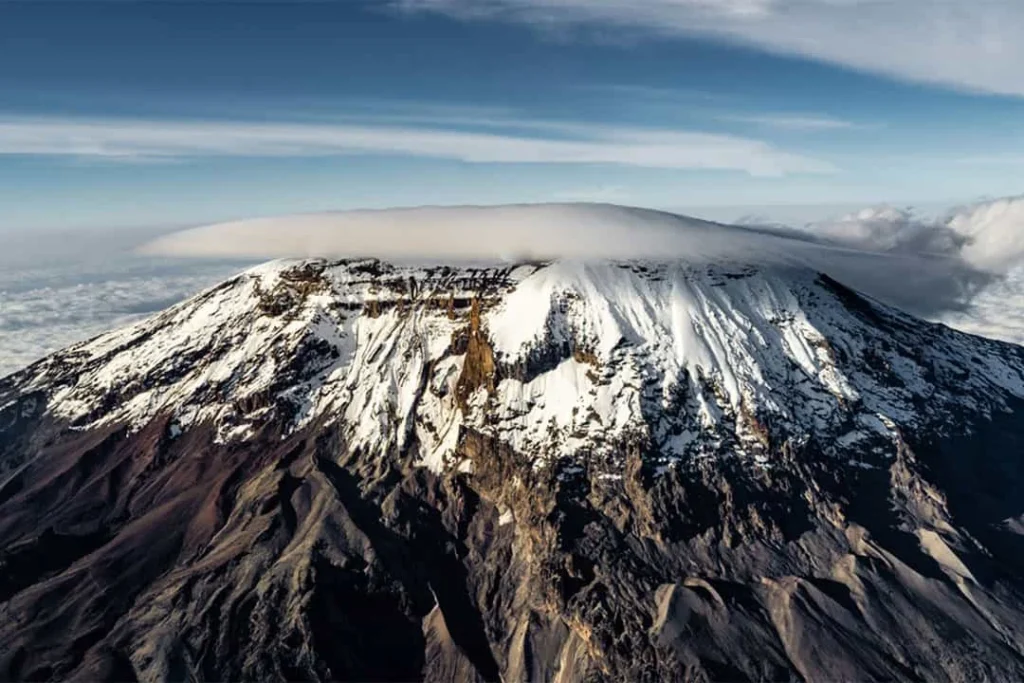
Karanga Camp Kilimanjaro: The Ultimate Altitude & Acclimatization Guide
As trekkers navigate the rugged southern slopes of Africa’s highest peak, they encounter a critical milestone before the final summit push. If you are researching Karanga Camp Kilimanjaro, you are looking at one of the most vital acclimatization stops on the mountain.
The short answer is that Karanga Camp (also known as Camp Karanga) is a high-altitude rest stop located on the southern circuit of Mount Kilimanjaro at an elevation of approximately 3,995 to 4,040 meters (13,106 to 13,255 feet). Perched on the edge of the scenic Karanga Valley, it serves as a crucial overnight stop for climbers on the Machame, Lemosho, Shira, and Umbwe routes, perfectly positioned to break up the trek between Barranco Camp and Barafu Camp.
This comprehensive guide breaks down the exact Karanga Camp altitude, the facilities you can expect, its critical role in the “climb high, sleep low” acclimatization strategy, and what to expect on your expedition.
What is Karanga Camp on Kilimanjaro? Karanga Camp is a vital high-altitude acclimatization stop on Mount Kilimanjaro’s southern circuit, located at an elevation of 3,995 to 4,040 meters (13,106 to 13,255 feet). It serves climbers on the Machame, Lemosho, Shira, and Umbwe routes, offering tent-only accommodations, basic pit latrines, and a strategic “climb high, sleep low” position between Barranco Camp and Barafu Camp.
Key Facts: Karanga Camp Altitude & Location
Below is the definitive breakdown of Karanga Camp elevation and logistics:
|
Metric
|
Details
|
|---|---|
|
Altitude / Elevation
|
3,995m to 4,040m (13,106 ft to 13,255 ft) above sea level.
|
|
Approximate Coordinates
|
3.065° S, 37.345° E (Southern slopes, below the Kibo volcanic cone).
|
|
Primary Routes
|
Machame Route, Lemosho Route, Shira Route, and Umbwe Route.
|
|
Previous Camp
|
Barranco Camp (~3 to 5 hours trek away, including the Barranco Wall scramble).
|
|
Next Camp
|
Barafu Camp (~3 kilometers / 1.9 miles away, roughly a 2 to 3-hour trek).
|
|
Accommodation Type
|
Tents only (no permanent huts or cabins).
|
|
Facilities
|
Basic long-drop pit latrines / W.C., mess tents, kitchen tents, and a ranger’s hut.
|
|
Water Source
|
The Karanga River valley below (the last reliable water point before the dry alpine desert).
|
The Critical Role of Karanga Camp in Acclimatization
Karanga Camp is not just a place to sleep; it is a strategic physiological tool. On 7-day or 8-day itineraries (highly recommended for the Machame and Lemosho routes), stopping at Camp Karanga allows climbers to practice the golden rule of high-altitude trekking: “Climb high, sleep low.”
After ascending from Barranco Camp and tackling the steep scramble up the Barranco Wall (reaching nearly 4,000 meters), climbers descend slightly into the Karanga Valley to sleep. This daily elevation fluctuation stimulates the body to produce more red blood cells without the severe stress of sleeping at a higher, more oxygen-deprived altitude. This single night significantly improves overall acclimatization and boosts your summit success rate.
Facilities & What to Expect at Karanga Camp
Unlike the permanent structures found on other trails, Karanga Camp Kilimanjaro is a wilderness camp. Here is what you need to know:
- Tent-Only Accommodation: Your crew will set up your sleeping tent and a larger communal mess tent. There are no permanent cabins or huts here. *(Note: If you strictly require permanent hut accommodations, you would need to choose the Marangu route, which is the only trail on the mountain offering wooden A-frame huts, though it follows a different geographical path).*
- Sanitation: Facilities consist of basic long-drop pit latrines or basic W.C. toilets. Bring your own toilet paper, hand sanitizer, and a headlamp for nighttime visits.
- Water Supply: The camp sits above the Karanga River valley. This is the last reliable water source on the southern circuit. Your porters will hike down to the river to collect and treat water before the group ascends to the completely dry alpine desert of Barafu Camp the next day.
- Scenery: The camp offers breathtaking panoramic views of Kibo Peak, the southern glaciers, and Mount Meru in the distance. On clear nights, you can even see the faint lights of Moshi town in the valley below.
The Trek from Karanga Camp to Barafu Camp
The final leg from Karanga Camp to Barafu Camp is relatively short but steep.
- Distance: Approximately 3 kilometers (1.9 miles).
- Time: Roughly 2 to 3 hours of steady uphill hiking.
- Elevation Gain: You will ascend from ~4,000m at Karanga to ~4,673m (15,331 ft) at Barafu Camp. Because this section is shorter, it allows climbers to arrive at Barafu Camp early in the afternoon, giving the body ample time to rest, hydrate, and prepare for the midnight summit push to Uhuru Peak.
The Critical Role of Expert Guidance
Navigating the acclimatization process and wilderness logistics at 4,000 meters requires professional oversight. Pushing too fast or ignoring early signs of altitude sickness can derail your entire expedition.
For comprehensive pre-trip planning, understanding the physiological demands of the southern circuit, and ensuring your chosen operator provides high-quality camp logistics, consulting a trusted Mount Kilimanjaro Guide is the essential first step. They will help you filter out operators who rush the itinerary and connect you with teams that prioritize health, safety, and proper acclimatization.
Furthermore, having an experienced kilimanjaro local guide is the most critical safety investment you can make on the mountain. A top-tier, Wilderness First Responder (WFR) certified guide will intimately monitor your health at Karanga Camp, ensure your drinking water is properly treated from the Karanga River, and enforce the vital “pole pole” (slowly, slowly) pace as you ascend toward Barafu.
Frequently Asked Questions (FAQ)
What is the Karanga Camp Kilimanjaro altitude?
The Karanga Camp altitude is approximately 3,995 to 4,040 meters (13,106 to 13,255 feet) above sea level, situated in the alpine moorland zone on the southern slopes of the mountain.
The Karanga Camp altitude is approximately 3,995 to 4,040 meters (13,106 to 13,255 feet) above sea level, situated in the alpine moorland zone on the southern slopes of the mountain.
What is the Karanga Camp elevation compared to Barafu Camp?
Karanga Camp elevation is roughly 4,000 meters, while the next stop, Barafu Camp, sits significantly higher at 4,673 meters (15,331 feet). The trek between them takes about 2 to 3 hours.
Karanga Camp elevation is roughly 4,000 meters, while the next stop, Barafu Camp, sits significantly higher at 4,673 meters (15,331 feet). The trek between them takes about 2 to 3 hours.
Are there toilets at Karanga Camp Kilimanjaro?
Yes, Karanga Camp Kilimanjaro has basic long-drop pit latrines or simple W.C. toilets maintained by the park rangers and your trekking crew. It is highly recommended to bring your own toilet paper and hand sanitizer.
Yes, Karanga Camp Kilimanjaro has basic long-drop pit latrines or simple W.C. toilets maintained by the park rangers and your trekking crew. It is highly recommended to bring your own toilet paper and hand sanitizer.
Which routes go through Karanga Camp?
Camp Karanga is used exclusively by climbers on the southern circuit routes: the Machame Route, Lemosho Route, Shira Route, and the steep Umbwe Route. It is not used by the Marangu or Rongai routes.
Camp Karanga is used exclusively by climbers on the southern circuit routes: the Machame Route, Lemosho Route, Shira Route, and the steep Umbwe Route. It is not used by the Marangu or Rongai routes.
