
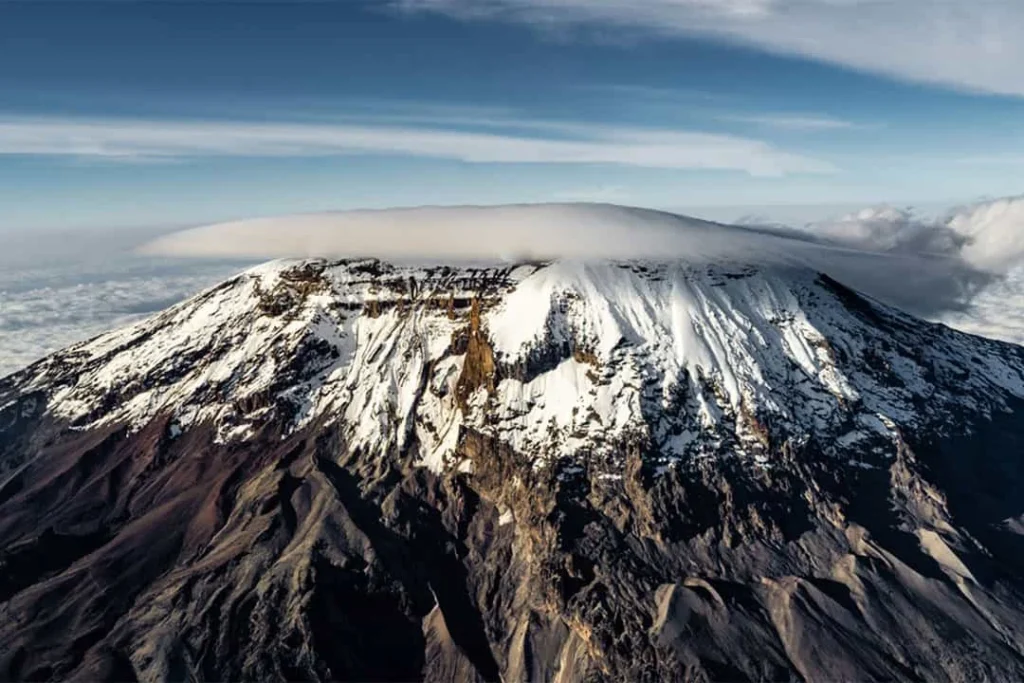
Barafu Camp Kilimanjaro: The Ultimate High-Altitude Base Camp Guide
Trekking to the Roof of Africa culminates in a single, defining location before the final push. If you are researching barafu camp kilimanjaro, you are looking for precise, critical data about the mountain’s primary high-altitude base camp to prepare your body and gear for the ultimate summit attempt.
The short answer is that Barafu Camp is the primary high-altitude base camp on Mount Kilimanjaro, perched at 4,673 meters (15,330 feet) on a rocky, wind-scoured ridge of Kibo’s southeastern cone. It serves as the final launchpad for the midnight summit push to Uhuru Peak on major routes like Machame, Lemosho, and the Northern Circuit.
This comprehensive guide breaks down the exact elevation, extreme weather conditions, summit night logistics, and essential survival strategies for navigating kilimanjaro barafu camp during your expedition.
Barafu Camp Kilimanjaro is the primary high-altitude base camp located at an elevation of 4,673 meters (15,330 feet) on the southeastern slope of the Kibo cone. Serving as the launchpad for the midnight summit push to Uhuru Peak, it features freezing alpine desert conditions, minimal facilities (pit latrines and rocky tent platforms), and requires a sleeping bag rated to at least -10°C (14°F).
Key Details: Barafu Camp Elevation & Location
Below is the definitive breakdown of the camp’s specifications:
|
Metric
|
Specification
|
|---|---|
|
Exact Elevation
|
4,673 meters (15,330 feet) above sea level
|
|
Location
|
Jagged, wind-scoured ridge at the southeastern base of the Kibo volcanic cone
|
|
Ecological Zone
|
Alpine Desert / High-Altitude transition zone
|
|
Name Meaning
|
“Barafu” translates to “ice” in Swahili
|
|
Primary Routes
|
Machame, Lemosho, Umbwe, and Northern Circuit
|
|
Facilities
|
Minimal: Ranger hut, basic pit latrines, rocky tent platforms (no running water)
|
When researching the barafu camp kilimanjaro height, it is important to note that at 4,673 meters, the atmospheric pressure is roughly 50% of what it is at sea level. This severe drop in oxygen is why climbers experience headaches, nausea, and extreme fatigue upon arrival.
The Environment & The “Ice Melt” Reality
Surviving at nearly 4,700 meters requires absolute preparedness. The environment is unforgiving, with temperatures ranging from 4°C to -20°C (39°F to -4°F) and severe, relentless high winds.
The “Ice Melt” Misnomer
While “Barafu” means “ice” in Swahili, visitors researching the barafu camp kilimanjaro ice melt phenomenon will note a stark reality: the camp itself is entirely devoid of ice. The name is a historical reference to the nearby Rebmann and Arrow glaciers. However, due to global climate change, these equatorial glaciers have significantly retreated and melted over the past century. Today, the camp sits in a barren, dusty alpine desert of volcanic rock and scree, though the freezing temperatures certainly live up to the name.
Facilities & What to Expect at Kilimanjaro Barafu Camp
Do not expect comfort at this high-altitude outpost. Facilities are strictly utilitarian and designed for survival, not luxury:
- Accommodation: There are no permanent sleeping huts. You will sleep in your own 4-season mountain tent, pitched by your porter crew on rocky, uneven gravel platforms.
- Water & Hygiene: There is no natural running water. All drinking and cooking water is carried up by porters from lower camps or melted from ice. Toilet facilities are limited to basic, wooden, semi-permanent pit latrines.
- Mandatory Gear: Because the ground is freezing and the wind is fierce, a high-quality mummy-style sleeping bag rated to at least -10°C (14°F) (down preferred) and an insulated sleeping pad are absolutely essential.
Summit Night & The Kosovo Camp Alternative
The primary purpose of barafu camp kilimanjaro is to serve as the staging ground for summit night.
- The Summit Push: Climbers typically arrive at Barafu in the early afternoon, eat a light dinner, and try to sleep by 7:00 PM. Around midnight, the wake-up call sounds. The climb to Uhuru Peak (5,895m) via Stella Point takes 6 to 7 hours of grueling ascent over loose scree in the dark.
- The Kosovo Camp Alternative: Nearby Kosovo Camp sits slightly higher at approximately 5,000 meters (16,400 feet). Some operators use Kosovo as an alternative high camp because it is slightly closer to the summit trail, quieter, and less crowded than Barafu, though it requires a slightly longer hike on the preceding day.
The Critical Role of Expert Guidance
Attempting the summit push from this extreme altitude demands uncompromising professional oversight. The combination of freezing temperatures, severe hypoxia, and physical exhaustion leaves zero room for error.
For comprehensive pre-trip planning, understanding how your body will react to the 50% oxygen drop, and selecting an itinerary that allows adequate time to acclimatize before reaching base camp, consulting a trusted Mount Kilimanjaro Guide is the essential first step. They ensure you are not booked on a dangerously rushed itinerary that skips vital adaptation days at lower camps like Karanga.
Furthermore, having an experienced kilimanjaro local guide is the most critical safety investment you can make at Barafu Camp. A top-tier, Wilderness First Responder (WFR) certified guide will monitor your blood oxygen saturation (SpO2) before the midnight push, enforce the vital “pole-pole” (slowly, slowly) pacing to conserve your energy, and make the life-saving decision to turn you around if severe Acute Mountain Sickness (AMS) symptoms manifest.
(Note: If you prefer to avoid the exposed, tent-based camping environment of Barafu Camp entirely, the classic Marangu route offers an alternative high-altitude base camp experience at Kibo Hut (4,703m), which provides permanent, dormitory-style wooden shelter, albeit via a different, steeper ascent profile).
Frequently Asked Questions (FAQ)
What is the exact barafu camp elevation kilimanjaro?
The barafu camp elevation kilimanjaro is exactly 4,673 meters (15,330 feet) above sea level. It is situated on the southeastern slope of the Kibo volcanic cone in the alpine desert zone.
The barafu camp elevation kilimanjaro is exactly 4,673 meters (15,330 feet) above sea level. It is situated on the southeastern slope of the Kibo volcanic cone in the alpine desert zone.
How long is the hike from kilimanjaro barafu camp to the summit?
The hike from kilimanjaro barafu camp to Uhuru Peak (5,895m) covers roughly 5 kilometers (3.1 miles) with a vertical gain of 1,222 meters. It typically takes 6 to 7 hours of steep, slow climbing in the dark, followed by a 3 to 5-hour descent.
The hike from kilimanjaro barafu camp to Uhuru Peak (5,895m) covers roughly 5 kilometers (3.1 miles) with a vertical gain of 1,222 meters. It typically takes 6 to 7 hours of steep, slow climbing in the dark, followed by a 3 to 5-hour descent.
Why is it called Barafu Camp if there is no ice?
“Barafu” means “ice” in Swahili, named historically for the nearby glaciers. However, due to the barafu camp kilimanjaro ice melt phenomenon driven by climate change, the nearby Rebmann and Arrow glaciers have severely retreated. The camp itself is a barren, rocky desert, though it remains freezing cold.
“Barafu” means “ice” in Swahili, named historically for the nearby glaciers. However, due to the barafu camp kilimanjaro ice melt phenomenon driven by climate change, the nearby Rebmann and Arrow glaciers have severely retreated. The camp itself is a barren, rocky desert, though it remains freezing cold.
Can I stay at Kosovo Camp instead of Barafu Camp?
Yes. Kosovo Camp (~5,000m) is a slightly higher, quieter alternative to Barafu Camp used by some operators. It is closer to the summit trail, which shortens summit night slightly, but it requires a longer, more strenuous hike to reach on the day before the summit.
Yes. Kosovo Camp (~5,000m) is a slightly higher, quieter alternative to Barafu Camp used by some operators. It is closer to the summit trail, which shortens summit night slightly, but it requires a longer, more strenuous hike to reach on the day before the summit.
