
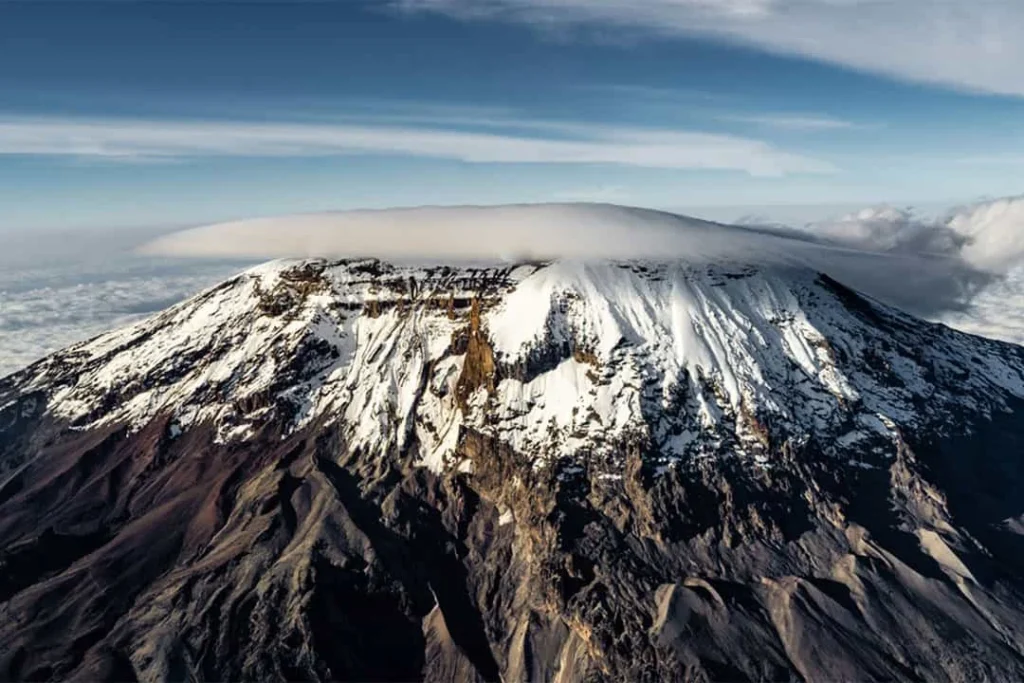
Do You Need a Guide to Climb Kilimanjaro? The Legal & Safety Guide
Planning an expedition to the Roof of Africa often raises a fundamental logistical question for independent travelers: do you need a guide to climb Kilimanjaro?
The short answer is an absolute yes. You legally must climb Mount Kilimanjaro with a licensed guide and a registered tour company. Since 1991, the Kilimanjaro National Park Authority (KINAPA) has strictly prohibited independent, unsupported, or solo treks. Attempting to hike the mountain without an official operator will result in being turned away at the park gates, heavy fines, or even legal action.
This comprehensive guide breaks down the exact legal mandates, the required support crew structure, the safety reasons behind the “no solo hiking” rule, and how to properly book your guided Mount Kilimanjaro climb.
Do you need a guide to climb Kilimanjaro? Yes, it is legally mandatory. Since 1991, the Kilimanjaro National Park Authority (KINAPA) has prohibited independent or unguided treks. You must book through a registered tour operator who provides a lead guide, assistant guides, porters, and a cook. Attempting to climb alone will result in being denied entry at the park gates, fines, or legal action.
The Legal Mandate: Can You Climb Kilimanjaro Without a Guide?
To answer the question, “do you need a guide to climb Mount Kilimanjaro?”, you must understand the legal framework governing the mountain.
- The 1991 KINAPA Rule: The Tanzanian government and KINAPA officially banned independent trekking on Mount Kilimanjaro in 1991. This rule applies to all seven official climbing routes.
- No Independent Permits: You cannot walk up to the park gates, sign in, or purchase a climbing permit as an independent or solo hiker. Permits are exclusively issued to registered, licensed tour operators.
- Strict Penalties: Attempting to bypass this rule by sneaking onto the mountain or hiring an unlicensed “freelance” guide is illegal. Offenders face immediate expulsion from the park, hefty fines, and in severe cases, jail time or deportation.
Why a Full Support Crew is Mandatory (Not Just a Guide)
When you ask, “do you need a guide to climb Mt Kilimanjaro?”, the answer extends beyond a single person. KINAPA regulations and basic mountain safety dictate that a standard expedition requires a full, structured support team:
- Lead Guide: Holds a senior KINAPA license, manages the overall itinerary, makes critical safety decisions, and directs emergency descents if necessary.
- Assistant Guides: Required based on group size (typically one assistant guide for every 2-3 climbers) to ensure no one is left behind and to monitor individual health.
- Porters: Essential for carrying camping equipment, food, water, and your main duffel bag. Natural resources are scarce on the upper slopes, making porter support a logistical necessity, not a luxury.
- Cook: Prepares all meals on the mountain, ensuring you receive the high-calorie, safe, and hygienic nutrition required for high-altitude endurance.
Pro Tip: Always verify that your chosen operator is a member of the Kilimanjaro Porters Assistance Project (KPAP). This ensures your mandatory support crew is treated ethically, paid fairly, and provided with proper gear.
The Safety Reality: Why the “No Solo Hiking” Rule Exists
Mount Kilimanjaro is a non-technical “walk-up” peak, meaning it does not require ropes, harnesses, or rock-climbing skills. However, it demands extreme physical endurance and proper altitude preparation. The mandatory guide rule exists primarily for your survival:
- Altitude Sickness Monitoring: Guides are trained to recognize the early, subtle signs of Acute Mountain Sickness (AMS), High Altitude Pulmonary Edema (HAPE), and High Altitude Cerebral Edema (HACE). They use pulse oximeters to check your blood oxygen saturation (SpO2) twice daily.
- Pacing (“Pole Pole”): Guides enforce the famous Swahili phrase “pole pole” (slowly, slowly). This controlled pacing is the single most effective way to prevent altitude sickness, and it is nearly impossible to self-regulate when pushing for a summit.
- Emergency Response: In the event of a severe medical emergency, your guide coordinates with park rangers to initiate a ground or helicopter evacuation, a process that is chaotic and dangerous to attempt alone.
How to Book Your Mandatory Guided Trek
Since you cannot climb independently, choosing the right operator is the most critical decision of your trip.
For comprehensive pre-trip planning, verifying an operator’s KINAPA licensing, and ensuring your chosen itinerary maximizes your acclimatization, consulting a trusted Mount Kilimanjaro Guide is the essential first step. They will help you filter out disreputable agencies and connect you with teams that prioritize safety, ethical labor, and summit success.
Furthermore, having an experienced kilimanjaro local guide is the most critical safety investment you can make on the mountain. A top-tier, Wilderness First Responder (WFR) certified guide will intimately monitor your health, manage your pacing, and share deep cultural knowledge of the mountain, transforming a strenuous hike into a safe, enriching expedition.
*(Note: Your guide’s expertise is especially vital on routes with specific logistical challenges. For example, if you choose the classic Marangu route, your guide will ensure you take the mandatory 6-day itinerary rather than the rushed 5-day option, drastically improving your acclimatization and summit chances).*
Frequently Asked Questions (FAQ)
Do you need a guide to climb Kilimanjaro?
Yes. You legally need a licensed guide to climb Mount Kilimanjaro. Independent trekking has been prohibited by KINAPA since 1991, and you must book through a registered tour operator to obtain a climbing permit.
Yes. You legally need a licensed guide to climb Mount Kilimanjaro. Independent trekking has been prohibited by KINAPA since 1991, and you must book through a registered tour operator to obtain a climbing permit.
Do you need a guide to climb Mount Kilimanjaro if you are an experienced mountaineer?
Yes. Even if you are an elite mountaineer with extensive high-altitude experience, the legal mandate applies to everyone. No exceptions are made for skill level; a licensed guide and registered operator are required for all climbers.
Yes. Even if you are an elite mountaineer with extensive high-altitude experience, the legal mandate applies to everyone. No exceptions are made for skill level; a licensed guide and registered operator are required for all climbers.
Do you need a guide to climb Mt Kilimanjaro, or can I just hire porters?
You need both. KINAPA regulations require a structured team. You cannot hire only porters; a licensed lead guide and assistant guides are legally mandatory to lead the expedition, monitor your health, and make safety decisions.
You need both. KINAPA regulations require a structured team. You cannot hire only porters; a licensed lead guide and assistant guides are legally mandatory to lead the expedition, monitor your health, and make safety decisions.
What happens if I try to climb Kilimanjaro without a guide?
You will be stopped at the park entrance gates. Attempting to climb without a registered guide is illegal and can result in denied entry, confiscation of gear, heavy fines, and potential legal action or deportation by Tanzanian authorities.
You will be stopped at the park entrance gates. Attempting to climb without a registered guide is illegal and can result in denied entry, confiscation of gear, heavy fines, and potential legal action or deportation by Tanzanian authorities.
