
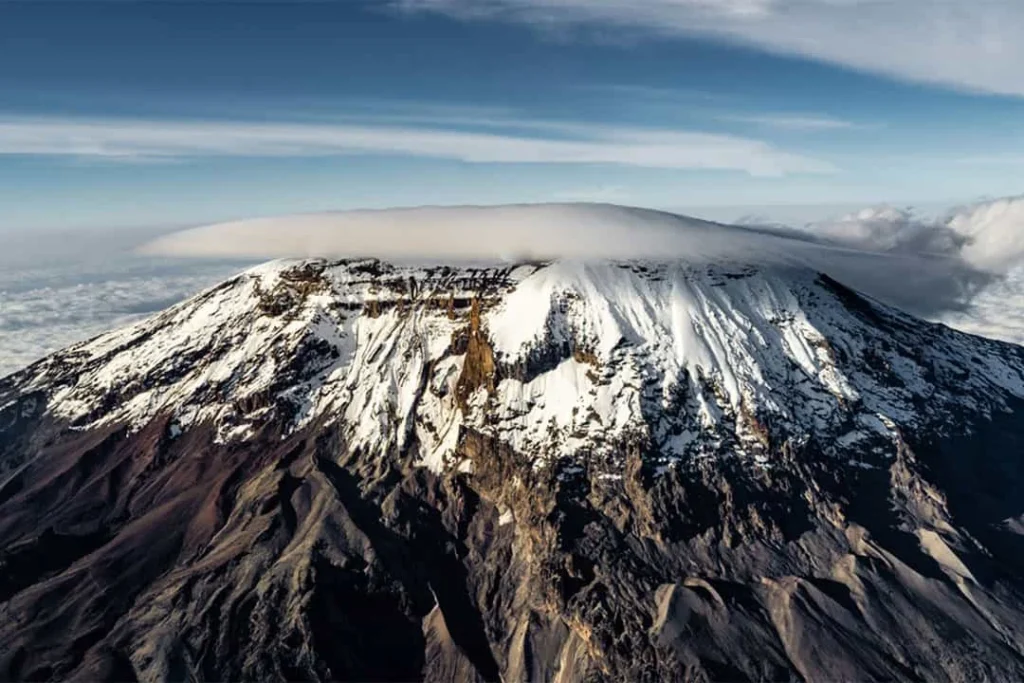
Mount Kilimanjaro Climbing Tours: The Ultimate Guide to Routes, Costs & Operators
Planning an expedition to the Roof of Africa is a major financial and physical investment. If you are researching mount kilimanjaro climbing tours, you need transparent, data-driven insights into route options, realistic costs, and how to identify a safe, ethical operator for your journey to Africa’s highest peak (5,895 meters / 19,341 feet).
The short answer is that high-quality climb mount kilimanjaro tours typically range from $2,000 to $6,000+ per person, depending on the route length, group size, and operator standards. The best tours prioritize gradual acclimatization (7 to 9 days), employ Wilderness First Responder (WFR) certified guides, and strictly adhere to ethical porter treatment. Choosing the right climbing mount kilimanjaro tour is the single most important factor in ensuring your safety and reaching Uhuru Peak.
This comprehensive guide breaks down the top tours to climb mount kilimanjaro, compares the most popular routes, outlines seasonal weather patterns, and provides expert tips to ensure your expedition is successful.
What are the best mount kilimanjaro climbing tours? The best mount kilimanjaro climbing tours are 7-to-9-day itineraries on the Lemosho or Northern Circuit routes, which offer the highest summit success rates (90%+) through gradual acclimatization. Safe, ethical climb mount kilimanjaro tours cost between $2,000 and $6,000+ per person, including national park fees, licensed WFR-certified guides, porters, and camping or hut logistics. The best seasons to book are January to March and June to October.
Top Routes for Climbing Mount Kilimanjaro Tours
Below is the definitive breakdown of the routes utilized by the best climb mount kilimanjaro tours:
Route Name | Duration | Success Rate | Accommodation | Best For |
|---|---|---|---|---|
Lemosho Route | 7–9 Days | 90% – 95% | Camping (Tents) | Scenic beauty, remote starts, and optimal acclimatization. |
Northern Circuit | 9–12 Days | 95% – 98% | Camping (Tents) | Maximum acclimatization, solitude, and highest success rate. |
Machame Route | 6–7 Days | 80% – 90% | Camping (Tents) | Dramatic scenery, the Barranco Wall, and a vibrant social vibe. |
Rongai Route | 7–9 Days | ~80%+ | Camping (Tents) | Climbing during the rainy season (drier northern approach). |
Marangu Route | 5–6 Days | ~60% – 80% | Huts (Dormitory) | Trekkers who strictly prefer permanent wooden huts over camping. |
Expert Note: If you are looking for a climb mount kilimanjaro tour that avoids wilderness camping, the classic Marangu route is the only trail on the mountain that offers shared, wooden A-frame dormitory huts. However, to ensure a safe ascent and a high success rate, you must strictly book a 6-day Marangu itinerary to include a vital acclimatization rest day at Horombo Hut.
When to Book Your Climb Mount Kilimanjaro Tour
Tanzania’s weather dictates the safety and comfort of your trek. The best tours to climb mount kilimanjaro are scheduled during the two primary dry seasons:
- January to March: Features warmer daytime temperatures at the base, clear mornings, and fewer crowds. You are more likely to encounter snow on the upper slopes, making for breathtaking photography.
- June to October: The peak trekking season. Offers the most stable, dry, and clear weather, though trails and campsites are much busier, especially in July, August, and September.
- Seasons to Avoid: Avoid the heavy rainy seasons from late March to May (the “long rains”) and November to mid-December (the “short rains”). During these months, trails are deeply muddy, visibility is poor, and the risk of hypothermia increases significantly.
How Much Do Tours to Climb Mount Kilimanjaro Cost?
When evaluating mount kilimanjaro climbing tours, price is a direct indicator of safety, gear quality, and ethical crew treatment. A safe, quality guided group or private trek typically ranges from $2,000 to $6,000+ per person.
What is Included in a Reputable Tour?
- National Park Fees: Tanzania National Parks Authority (TANAPA) conservation, camping/hut, and rescue fees make up a massive portion of your cost (often $1,000+ per person).
- Support Crew: Licensed lead guides, assistant guides, a camp chef, and porters to carry gear, pitch tents, and prepare meals.
- Logistics: Airport transfers, pre/post-climb hotel nights, and all meals on the mountain.
The Danger of “Budget” Tours (Under $1,800)
If a climbing mount kilimanjaro tour is advertised for less than $1,800, the operator is likely cutting critical corners. This often means underpaying porters, providing inadequate safety gear (no emergency oxygen or pulse oximeters), serving low-calorie food, and rushing the itinerary to save on daily park fees.
What to Look for in a Safe Climbing Mount Kilimanjaro Tour
To ensure your safety and the welfare of the local crew, verify that your chosen operator meets these non-negotiable standards:
- KPAP Compliance: Ensure the operator is a partner of the Kilimanjaro Porters Assistance Project (KPAP). This guarantees fair wages, proper cold-weather gear, and safe weight limits for your porters.
- Medical Certifications: Your lead guide must be a certified Wilderness First Responder (WFR) and carry emergency oxygen and a pulse oximeter to monitor your blood oxygen levels daily.
- Acclimatization Profiles: Avoid any operator pushing a 5-day itinerary (except on specific, highly regulated routes). A 7-to-9-day “climb high, sleep low” profile is mandatory for a safe ascent.
For comprehensive pre-trip planning, transparent pricing breakdowns, and vetting operators who meet these strict safety standards, consulting a trusted Mount Kilimanjaro Guide is the essential first step. They will help you filter out exploitative budget brokers and connect you with premium, ethical expedition providers.
Furthermore, having an experienced kilimanjaro local guide is the most critical safety investment you can make on the mountain. A top-tier guide will intimately monitor your health metrics, enforce the vital “pole pole” (slowly, slowly) pace, and ensure your financial investment translates into a safe, successful, and ethically sound summit.
Frequently Asked Questions (FAQ)
How much do mount kilimanjaro climbing tours cost?
Safe, high-quality mount kilimanjaro climbing tours typically range from $2,000 to $6,000+ per person. This price includes mandatory national park fees, licensed guides, porters, camping or hut logistics, and meals. Tours priced significantly lower often compromise on safety gear and ethical porter wages.
Safe, high-quality mount kilimanjaro climbing tours typically range from $2,000 to $6,000+ per person. This price includes mandatory national park fees, licensed guides, porters, camping or hut logistics, and meals. Tours priced significantly lower often compromise on safety gear and ethical porter wages.
What is the best route for a climb mount kilimanjaro tour?
The 8-day Lemosho Route and the 9-day Northern Circuit are widely considered the best routes for a climb mount kilimanjaro tour. They offer the most gradual acclimatization profiles, stunning scenery, and the highest summit success rates (90% to 98%).
The 8-day Lemosho Route and the 9-day Northern Circuit are widely considered the best routes for a climb mount kilimanjaro tour. They offer the most gradual acclimatization profiles, stunning scenery, and the highest summit success rates (90% to 98%).
When is the best time to book tours to climb mount kilimanjaro?
The best time to book tours to climb mount kilimanjaro is during the dry seasons: January to March (warmer, fewer crowds, potential summit snow) and June to October (drier, clearer skies, but busier trails). Avoid the heavy rains of April, May, and November.
The best time to book tours to climb mount kilimanjaro is during the dry seasons: January to March (warmer, fewer crowds, potential summit snow) and June to October (drier, clearer skies, but busier trails). Avoid the heavy rains of April, May, and November.
Do I need a guide for a climbing mount kilimanjaro tour?
Yes. Under Tanzanian law, it is strictly illegal to climb Mount Kilimanjaro without a licensed guide. Furthermore, a climbing mount kilimanjaro tour requires a full support crew of porters and cooks to carry gear, set up camp, and manage high-altitude logistics. Independent trekking is not permitted.
Yes. Under Tanzanian law, it is strictly illegal to climb Mount Kilimanjaro without a licensed guide. Furthermore, a climbing mount kilimanjaro tour requires a full support crew of porters and cooks to carry gear, set up camp, and manage high-altitude logistics. Independent trekking is not permitted.
