
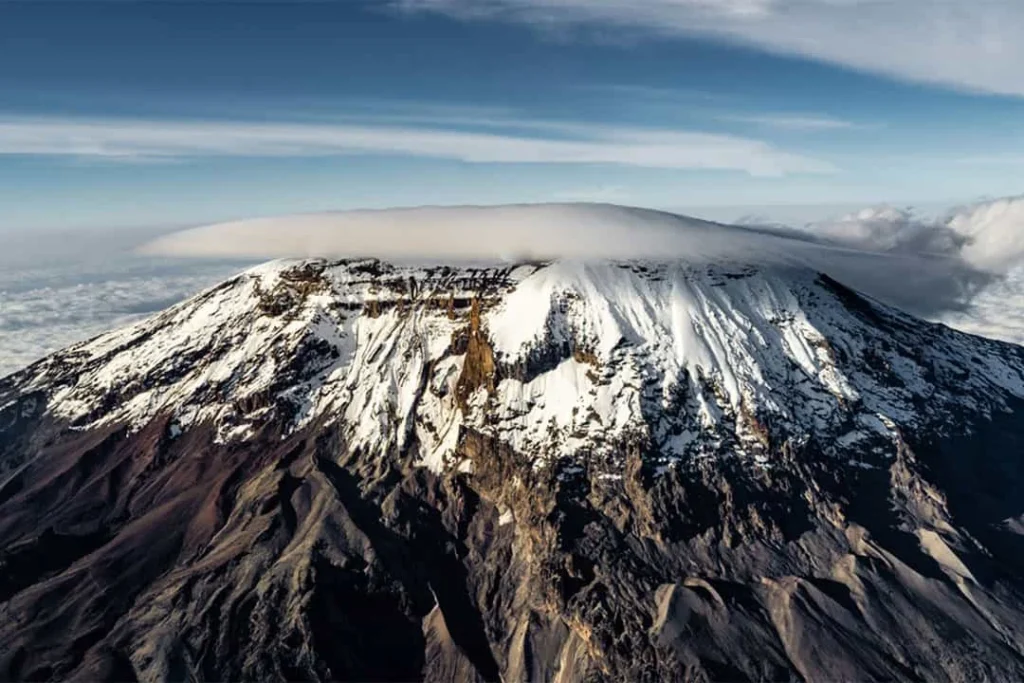
Mweka Camp: The Ultimate Guide to Kilimanjaro’s Final Descent Camp
The journey to the Roof of Africa doesn’t end when you touch the summit sign; the descent is often the most physically punishing part of the expedition. If you are researching mweka camp, you are looking at the crucial final overnight recovery stop for the majority of climbers descending Mount Kilimanjaro.
The short answer is that mweka camp is the primary descent-only campsite located on the Mweka Route. Sitting at an mweka camp elevation of approximately 3,100 meters (10,170 feet) in the upper montane rainforest, it serves as a vital recovery zone for trekkers descending from the Machame, Lemosho, Shira, Umbwe, and Northern Circuit routes. Dropping nearly 2,800 meters from the summit, this camp provides rapid, life-saving relief from high-altitude fatigue and hypoxia before the final walk out to the park gate.
This comprehensive guide breaks down the exact mweka camp kilimanjaro logistics, facility conditions, trail distances, and expert safety tips to ensure your final day on the mountain is safe, comfortable, and triumphant.
What is Mweka Camp? Mweka Camp is the final overnight campsite on the descent-only Mweka Route of Mount Kilimanjaro. Located at an mweka camp elevation of 3,100 meters (10,170 feet) in the upper montane rainforest, it serves as the primary recovery stop for climbers descending from the Machame, Lemosho, Shira, Umbwe, and Northern Circuit routes before their final exit to Mweka Gate.
Key Details: Mweka Camp Kilimanjaro
Below is the definitive breakdown of mweka camp kilimanjaro:
Metric | Details & Specifications |
|---|---|
Camp Function | Descent-only campsite (not used for ascending). |
Mweka Camp Elevation | ~3,100 meters (10,170 feet) above sea level. |
Routes Using This Camp | Machame, Lemosho, Shira, Umbwe, Northern Circuit (via Millennium Camp or directly from Barafu). |
Ecological Zone | Upper Montane Rainforest. |
Facilities | Tent-only pitches, basic long-drop pit latrines, fresh water streams, wooden ranger hut. |
Distance to Mweka Gate | ~10 km (6 miles) / 3 to 4 hours hiking. |
The Role of Mweka Camp in Summit Recovery
Reaching Uhuru Peak (5,895m) is a monumental achievement, but the physical toll of summit night is severe. Climbers typically descend from the summit to Barafu Camp (4,673m), rest briefly, and then continue down to Millennium Camp or directly to mweka camp.
Because mweka camp elevation is nearly 2,800 meters lower than the summit, dropping down to this campsite provides rapid physiological relief. As you descend into the thicker, oxygen-rich air of the rainforest, the symptoms of Acute Mountain Sickness (AMS) dissipate, your appetite returns, and your body begins the crucial recovery process.
Environment and Facilities: What to Expect
The environment at mweka camp is a stark contrast to the barren, freezing alpine desert you just left behind.
- The Rainforest Canopy: The camp is set in a clearing within a dense, lush rainforest. It is significantly warmer and more humid than the upper slopes.
- Weather Conditions: Because it sits in the rainforest belt, high rainfall, thick mist, and deeply muddy ground are incredibly common.
- Accommodations: There are no permanent sleeping cabins or huts for trekkers here. You will sleep in your wilderness tents, which your porter crew will have pitched on cleared dirt platforms.
- Amenities: Facilities are strictly basic. You will have access to shared long-drop pit latrines (or your operator’s private portable toilet tent), fresh water sourced from nearby mountain streams (which must be purified), and a wooden ranger hut for trail registration. There is no electricity or Wi-Fi.
Distances & Timings: The Final Legs of the Trek
Understanding the physical distances helps you mentally prepare for the final days of your mweka camp kilimanjaro experience:
- Barafu Camp to Mweka Camp: Descending from high camp (4,673m) past Millennium Camp down to Mweka Camp covers roughly 10 kilometers (6 miles). This steep, knee-jarring descent takes about 4 to 6 hours depending on your fatigue levels and rest stops.
- Mweka Camp to Mweka Gate: The final leg of your journey drops from 3,100m down to 1,640m. This 10-kilometer (6-mile) hike through the dense rainforest takes 3 to 4 hours and ends at the Mweka Gate, where you will sign out of the national park, receive your summit certificates, and meet your transport back to Moshi or Arusha.
Tips for Descending Mweka Camp to Mweka Gate
The final morning hike out of the park is often overlooked, but it can be treacherous if you are unprepared. Here are the best expert tips for descending mweka camp to mweka gate:
- Protect Your Knees: The trail from Mweka Camp to the gate is a continuous, steep downhill slog through the forest. Use your trekking poles aggressively to transfer the impact from your knee joints to your arms and shoulders.
- Prepare for Mud and Slippery Roots: The rainforest floor is notoriously muddy, slick, and covered in exposed, slippery tree roots. Wear your waterproof hiking boots with aggressive tread, and use ankle gaiters to keep mud and debris out of your shoes.
- Pace Yourself: Even though the air is thick with oxygen and you are excited to finish, do not rush. Fatigue and “summit hangover” (mental and physical exhaustion) lead to careless footing. Maintain a steady, controlled pace.
- Hydrate and Eat: Your appetite will likely return as you drop below 3,500 meters. Eat a solid breakfast at camp and snack on trail mix or fruit during the descent to replenish your glycogen stores before your celebratory lunch at the gate.
The Critical Role of Expert Guidance
Navigating the steep, muddy, and exhausting descent through the rainforest requires professional oversight. Attempting to rush the descent or ignoring joint pain can lead to severe injuries just hours before your expedition ends.
For comprehensive pre-trip planning, route selection, and verifying that your operator provides high-quality, supportive trekking poles and proper knee-care protocols, consulting a trusted Mount Kilimanjaro Guide is the essential first step. They will help you filter out budget brokers who rush descents and connect you with reputable teams that prioritize your long-term joint health and safety.
Furthermore, having an experienced kilimanjaro local guide is the most critical safety investment you can make on the mountain. A top-tier guide will expertly navigate the slickest, safest paths through the muddy rainforest, monitor your post-summit fatigue, and ensure your crew has a hot, restorative lunch waiting for you at the Mweka Gate.
*(Note: If the idea of a steep, muddy, tent-only descent through the rainforest sounds unappealing, and you prefer to ascend and descend via the exact same path with permanent wooden hut accommodations, you might consider the classic Marangu route. However, keep in mind that the Marangu descent can be equally hard on the knees due to its repetitive, steep gradient, making the 6-day itinerary highly recommended to pace the descent properly.)*
Frequently Asked Questions (FAQ)
What is the mweka camp elevation?
The mweka camp elevation is approximately 3,100 meters (10,170 feet) above sea level. It sits in the upper montane rainforest zone, providing a thick, oxygen-rich environment that helps climbers recover from the extreme altitude of the summit.
The mweka camp elevation is approximately 3,100 meters (10,170 feet) above sea level. It sits in the upper montane rainforest zone, providing a thick, oxygen-rich environment that helps climbers recover from the extreme altitude of the summit.
Do you sleep at mweka camp kilimanjaro?
Yes, for most climbers. If you are descending via the Machame, Lemosho, Shira, or Umbwe routes, you will spend your final night on the mountain at mweka camp kilimanjaro before hiking out to the gate the following morning.
Yes, for most climbers. If you are descending via the Machame, Lemosho, Shira, or Umbwe routes, you will spend your final night on the mountain at mweka camp kilimanjaro before hiking out to the gate the following morning.
How long does it take to hike from mweka camp to mweka gate?
The hike from mweka camp to mweka gate covers approximately 10 kilometers (6 miles) of steep, downhill rainforest trail. It typically takes 3 to 4 hours of steady walking to reach the gate, where you will collect your summit certificates.
The hike from mweka camp to mweka gate covers approximately 10 kilometers (6 miles) of steep, downhill rainforest trail. It typically takes 3 to 4 hours of steady walking to reach the gate, where you will collect your summit certificates.
Are there huts at Mweka Camp?
No. Unlike the Marangu Route, mweka camp is a strictly tent-only wilderness campsite. There are no permanent sleeping cabins or huts for trekkers; your porter crew will pitch your tents on designated dirt platforms.
No. Unlike the Marangu Route, mweka camp is a strictly tent-only wilderness campsite. There are no permanent sleeping cabins or huts for trekkers; your porter crew will pitch your tents on designated dirt platforms.
