
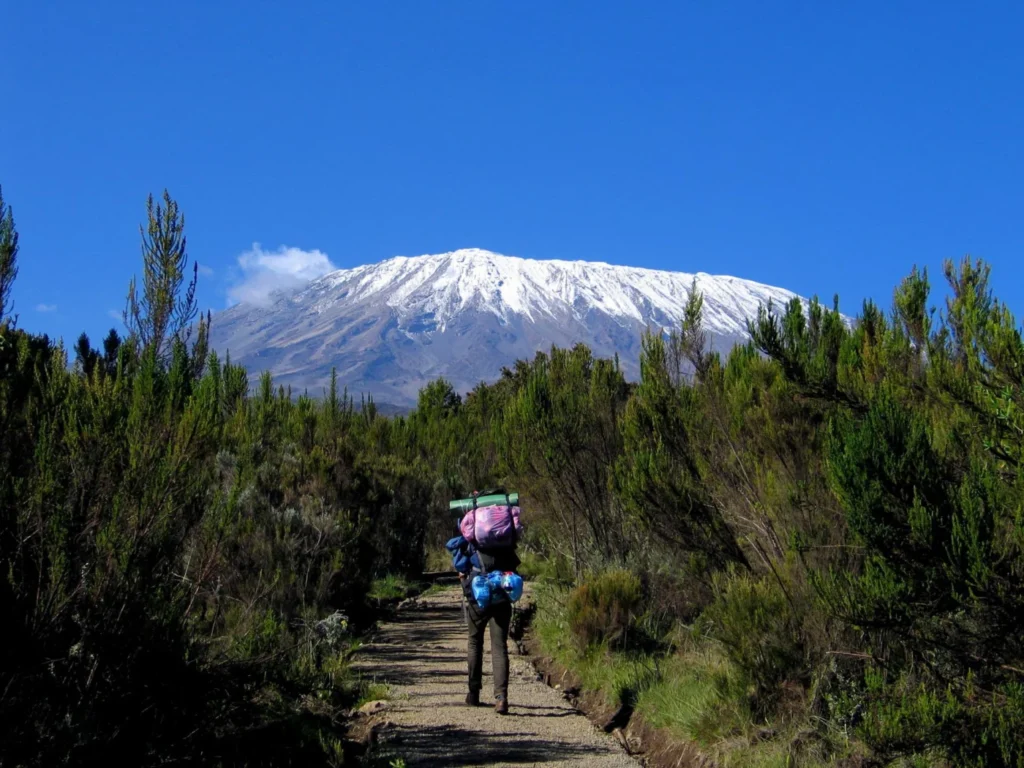
Rongai Route Success Rate: The Ultimate Guide to Summit Odds
Choosing the right path to the Roof of Africa is the single most important decision you will make for your expedition’s outcome. If you are researching the rongai route success rate, you are looking for transparent, data-driven insights into how itinerary length, weather patterns, and operator quality impact your chances of reaching Uhuru Peak.
The short answer is that the overall rongai route success rate generally ranges from 65% to 85%, depending heavily on the chosen itinerary length and the quality of the tour operator. While the 6-day option sees success rates closer to 65% due to rapid altitude gain, the highly recommended 7-day Rongai route pushes summit success to 75% to 85%+ by providing a crucial extra day for physiological acclimatization.
This comprehensive guide breaks down the exact statistics behind the kilimanjaro rongai route success rate, explains the unique acclimatization profile of the northern approach, and provides expert tips to ensure you are part of the successful majority.
What is the Rongai route success rate? The rongai route success rate typically ranges from 65% to 85%, depending on itinerary length. A 6-day itinerary averages around 65% due to rapid ascent, while the recommended 7-day itinerary achieves a 75% to 85%+ success rate by providing a vital extra day for high-altitude acclimatization on the mountain’s drier, northern slopes.
Rongai Route Success Rate by Itinerary Length
Below is the definitive breakdown of the rongai route success rate based on trek duration:
Itinerary Duration | Estimated Success Rate | Acclimatization Quality | Risk of Altitude Sickness (AMS) |
|---|---|---|---|
6-Day Rongai Route | ~65% | Moderate (Rapid ascent) | High |
7-Day Rongai Route | 75% – 85%+ | Good (Includes acclimatization day) | Moderate to Low |
8+ Day Variations | 85% – 90%+ | Excellent (Rare, custom itineraries) | Very Low |
Expert Insight: Mountaineering and medical professionals universally agree that adding just one extra day to your itinerary dramatically increases your body’s ability to produce red blood cells. The 7-day schedule is the “sweet spot” for the Rongai route, balancing cost, time, and physiological safety.
Key Factors Affecting the Kilimanjaro Rongai Route Success Rate
When evaluating the kilimanjaro rongai route success rate, several unique variables come into play compared to southern routes like Machame or Lemosho:
1. The Acclimatization Profile
The Rongai Route climbs steadily from the northern side near the Kenyan border and descends via the southern Marangu route. While the ascent is gradual and gentle on the joints, the route profile makes it slightly harder to execute the classic “climb high, sleep low” strategy compared to routes like Lemosho. This is why the 7-day itinerary (which includes a dedicated acclimatization hike to Mawenzi Tarn) is absolutely critical for maximizing your rongai route success rate.
2. Weather & Seasonal Advantages
Because the Rongai Route sits in the mountain’s northern rain shadow, it receives significantly less moisture. It is the driest and most reliable route during the wet seasons (April, May, and November). Dry trails mean less energy expended fighting mud and cold rain, which indirectly boosts climber morale and physical endurance on summit night.
3. Operator Reporting Variations
Reported success figures vary wildly across companies. Some budget operators claim rates as high as 95%, but broader industry averages sit lower. Discrepancies often arise from how operators define a “summit” (e.g., counting climbers who reach Stella Point or Gilman’s Point on the crater rim versus those who make it to the true Uhuru Peak). Always ask operators for their Uhuru Peak specific success rates.
4. Community Consensus
Most users on climbing forums (like Reddit’s r/kilimanjaro) agree that while the 7-day Rongai route offers a quieter, drier, and more wildlife-rich climb than southern alternatives, its relatively short maximum duration (7 days) gives it slightly less acclimatization time than the 8-to-9-day Northern Circuit or Lemosho routes.
How to Maximize Your Rongai Route Success Rate
To ensure you are part of the high-percentage majority, follow these expert, medically-backed strategies:
- Book the 7-Day Itinerary: Do not compromise on the extra acclimatization day. The marginal cost savings of a 6-day trek are not worth the drastically increased risk of Acute Mountain Sickness (AMS) and summit failure.
- Hire a KPAP-Compliant Operator: Budget operators often cut corners on food quality, sleep systems, and guide training. Ensure your crew is certified by the Kilimanjaro Porters Assistance Project (KPAP) and employs Wilderness First Responder (WFR) trained guides.
- Hydrate Relentlessly: Drink 3 to 4 liters of water daily. Dehydration mimics and worsens the symptoms of altitude sickness, directly sabotaging your rongai route success rate.
- Embrace “Pole Pole”: This Swahili phrase means “slowly, slowly.” Keeping your heart rate low is the most effective way to conserve energy and manage the thin air.
The Critical Role of Expert Guidance
Maximizing your rongai route success rate requires professional oversight. The remote nature of the northern slopes means that recognizing the early, subtle signs of altitude sickness requires trained eyes.
For comprehensive pre-trip planning, transparent operator comparisons, and verifying that your chosen company prioritizes safe, gradual acclimatization over rushing, consulting a trusted Mount Kilimanjaro Guide is the essential first step. They will help you filter out budget brokers who push dangerous 6-day schedules and connect you with reputable teams that prioritize your physiological safety.
Furthermore, having an experienced kilimanjaro local guide is the most critical safety investment you can make on the mountain. A top-tier, WFR-certified guide will intimately monitor your blood oxygen saturation (SpO2) twice daily, enforce the vital “pole pole” pace, and make the difficult, life-saving call to turn a struggling climber around before altitude sickness becomes a medical emergency.
(Note: Because the Rongai Route uniquely ascends the north and descends the south, your final day will follow the classic Marangu route trail network. While this means you will finish your journey descending through the lush southern forest to Marangu Gate, it also highlights the importance of booking the full 7-day Rongai itinerary to ensure you are fully acclimatized before merging with the busier southern descent paths.)
Frequently Asked Questions (FAQ)
What is the rongai route success rate?
The overall rongai route success rate ranges from 65% to 85%. A 6-day itinerary averages around 65% due to rapid ascent, while the highly recommended 7-day itinerary achieves a 75% to 85%+ success rate by providing a vital extra day for high-altitude acclimatization.
The overall rongai route success rate ranges from 65% to 85%. A 6-day itinerary averages around 65% due to rapid ascent, while the highly recommended 7-day itinerary achieves a 75% to 85%+ success rate by providing a vital extra day for high-altitude acclimatization.
Why is the 7-day rongai route success rate higher than the 6-day?
The 7-day itinerary includes a dedicated acclimatization day (usually at Mawenzi Tarn). This allows your body to execute the “climb high, sleep low” principle, producing more red blood cells and drastically reducing the risk of Acute Mountain Sickness (AMS) before the summit push.
The 7-day itinerary includes a dedicated acclimatization day (usually at Mawenzi Tarn). This allows your body to execute the “climb high, sleep low” principle, producing more red blood cells and drastically reducing the risk of Acute Mountain Sickness (AMS) before the summit push.
Is the rongai route success rate higher than other Kilimanjaro routes?
The 7-day Rongai route has a very strong success rate (75-85%+), but it is slightly lower than the 8-to-9-day Northern Circuit or Lemosho routes (which boast 90-98% success rates) due to having one less day for physiological adaptation. However, Rongai remains one of the most reliable routes, especially during wet seasons.
The 7-day Rongai route has a very strong success rate (75-85%+), but it is slightly lower than the 8-to-9-day Northern Circuit or Lemosho routes (which boast 90-98% success rates) due to having one less day for physiological adaptation. However, Rongai remains one of the most reliable routes, especially during wet seasons.
Does the weather affect the kilimanjaro rongai route success rate?
Yes. Because the Rongai Route sits in the northern rain shadow, it is the driest route on the mountain. Climbing during the wet seasons (April-May, November) on the Rongai route often yields a higher success rate than attempting wetter southern routes, as dry trails conserve climber energy and reduce hypothermia risk.
Yes. Because the Rongai Route sits in the northern rain shadow, it is the driest route on the mountain. Climbing during the wet seasons (April-May, November) on the Rongai route often yields a higher success rate than attempting wetter southern routes, as dry trails conserve climber energy and reduce hypothermia risk.
