
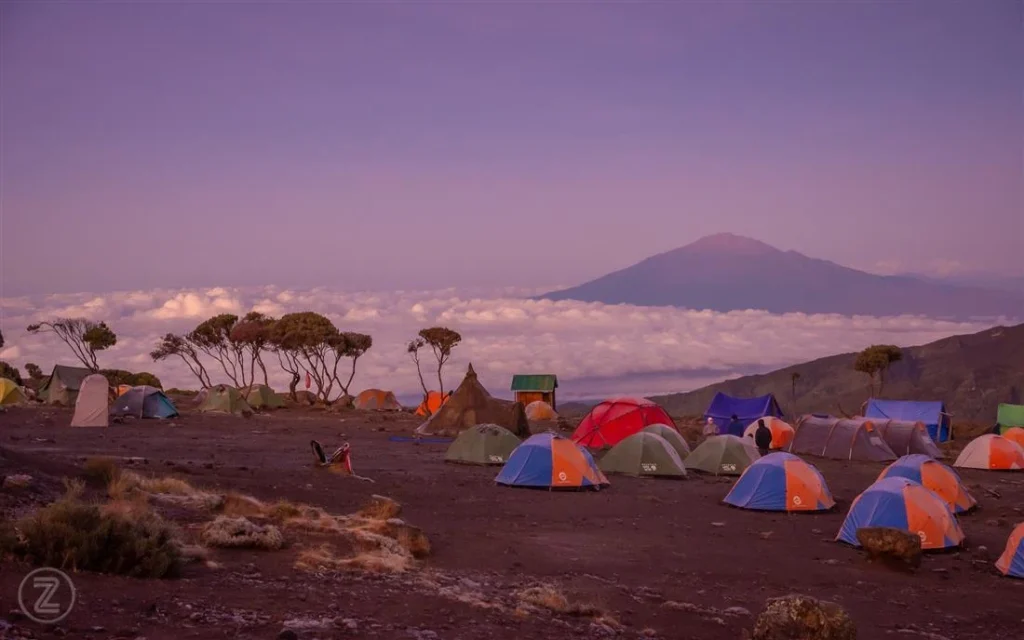
Kilimanjaro Lemosho Route and Safari: The Ultimate Combo Guide
Combining a summit of Africa’s highest peak with a world-class wildlife expedition is the ultimate East African adventure. If you are researching a kilimanjaro lemosho route and safari combo, you are looking at the premier, gold-standard itinerary for travelers seeking the highest summit success rate paired with the best wildlife viewing in Tanzania.
The short answer is that a classic kilimanjaro lemosho route and safari typically spans 10 to 14 days. The most highly recommended configuration is an 8-day Lemosho Route trek (boasting a ~90% summit success rate due to its superior “climb high, sleep low” acclimatization profile), followed by a 1-day recovery in Moshi or Arusha, and concluding with a 3-to-5-day Northern Circuit safari exploring the Serengeti, Ngorongoro Crater, and Tarangire National Park.
This comprehensive guide breaks down the exact itinerary, cost expectations, and expert logistics to ensure your 2026 kilimanjaro climbing 7 day lemosho route and safari (or 8-day) experience is seamless, safe, and unforgettable.
What is the best Kilimanjaro Lemosho route and safari combo? The ideal kilimanjaro lemosho route and safari spans 11 to 14 days. It begins with an 8-day Lemosho Route trek (starting at Londorossi Gate, crossing the Shira Plateau, and summiting via Barafu) for optimal acclimatization and a ~90% success rate. After a 1-day recovery, it transitions into a 3-to-5-day Northern Tanzania safari covering the Serengeti, Ngorongoro Crater, and Tarangire National Park.
Part 1: Why the Lemosho Route is the Best Choice for a Safari Combo
When pairing a mountain climb with a safari, energy conservation and acclimatization are paramount. The Lemosho Route is widely considered the best trail for this combination for several key reasons:
- Superior Acclimatization Profile: Starting on the western slope at Londorossi Gate, the route gradually ascends through the lush rainforest, across the scenic Shira Plateau, and up to Lava Tower (4,630m) before descending to sleep at Barranco Camp (3,960m). This “climb high, sleep low” mechanic is the gold standard for preventing Acute Mountain Sickness (AMS).
- High Summit Success Rate: While a 7-day Lemosho is excellent, the 8-day Lemosho itinerary pushes the summit success rate to approximately 90%, ensuring you reach Uhuru Peak (5,895m) healthy and strong, ready to enjoy your safari.
- Scenic Variety & Lower Crowds: Unlike the busier southern gates, Lemosho offers a remote, pristine wilderness experience for the first few days, featuring diverse ecosystems from montane forest to alpine desert, before merging with the Machame route near the summit.
- The Mweka Descent: The route concludes with a descent via the Mweka Trail, which is well-maintained and allows for a relatively quick return to civilization, making the transition to your safari seamless.
(Note: While some travelers consider the Marangu route due to its hut accommodations, it has a significantly lower success rate due to its rapid ascent profile. For a combined climb-and-safari itinerary where preserving your health and energy is critical, the gradual Lemosho Route is overwhelmingly the superior choice.)
Part 2: The Northern Tanzania Safari Extension
The golden rule of a kilimanjaro lemosho route and safari is to climb first, safari second. Reaching the summit requires peak physical and mental exertion. Following the descent with a safari acts as the perfect “active recovery,” allowing your legs to rest in a 4×4 Land Cruiser while your mind remains engaged by world-class wildlife.
A typical 3-to-5-day safari extension includes:
- Tarangire National Park: Famous for its massive, roaming herds of elephants and iconic, ancient baobab trees.
- Ngorongoro Crater: A UNESCO World Heritage site and massive volcanic caldera teeming with dense wildlife, offering the highest probability of spotting the “Big Five” (lion, leopard, rhino, elephant, and buffalo) in a single day.
- Serengeti National Park: The crown jewel of African safaris, renowned for its vast open plains, high concentration of resident predators, and the spectacular seasonal movements of the Great Wildebeest Migration.
Sample 12-Day Kilimanjaro Lemosho Route and Safari Itinerary
Below is the definitive breakdown of a classic 12-day combo:
Day | Activity | Location / Highlight |
|---|---|---|
Day 1 | Arrival & Briefing | Arrive at Kilimanjaro Int’l Airport (JRO), transfer to Moshi/Arusha for gear check. |
Day 2 | Lemosho Day 1 | Londorossi Gate to Mti Mkubwa Camp (Rainforest zone, colobus monkeys). |
Day 3 | Lemosho Day 2 | Mti Mkubwa to Shira Camp 1 (Emerging onto the high-altitude Shira Plateau). |
Day 4 | Lemosho Day 3 | Shira Camp 1 to Moir Hut (Acclimatization hike to Lent Hills, 4,200m). |
Day 5 | Lemosho Day 4 | Moir Hut to Lava Tower, descend to Barranco Camp (Climb high, sleep low). |
Day 6 | Lemosho Day 5 | Barranco Camp to Karanga Camp (Scaling the Great Barranco Wall). |
Day 7 | Lemosho Day 6 | Karanga Camp to Barafu Camp (Final base camp preparation). |
Day 8 | Summit Day | Barafu to Uhuru Peak (5,895m), descend to Mweka Camp. |
Day 9 | Descent & Recovery | Mweka Camp to Mweka Gate, transfer to Arusha for rest and celebration. |
Day 10 | Safari Day 1 | Arusha to Tarangire National Park, overnight in the park or nearby lodge. |
Day 11 | Safari Day 2 | Tarangire to Ngorongoro Crater, full day crater floor game drive. |
Day 12 | Safari Day 3 | Ngorongoro to Serengeti (Central), afternoon game drive, depart next day. |
Cost & Planning Expectations
When budgeting for a kilimanjaro lemosho route and safari, transparency is key. Comprehensive, ethically operated packages generally range from $4,500 to $7,500+ USD per person.
- What’s Included: Kilimanjaro National Park (TANAPA) fees, Lemosho route camping, all mountain meals, licensed guides and porters, 4×4 safari vehicle with a pop-up roof, safari park fees, and pre/post-climb hotel nights in Moshi or Arusha.
- What’s Excluded: International flights to JRO, Tanzanian entry visas, high-altitude travel insurance (mandatory), personal gear rentals, and crew gratuities (budget an extra $350–$500 USD for mountain and safari crew tips).
The Critical Role of Expert Guidance
Executing a seamless kilimanjaro lemosho route and safari requires an operator with deep, dual expertise in both high-altitude mountaineering and wildlife logistics.
For comprehensive pre-trip planning, transparent pricing, and ensuring your mountain descent aligns perfectly with your safari departure, consulting a trusted Mount Kilimanjaro Guide is the essential first step. They will help you filter out operators who excel at climbing but outsource their safari legs to third parties, connecting you instead with unified, ethical teams that manage the entire journey flawlessly.
Furthermore, having an experienced kilimanjaro local guide is the most critical safety investment you can make on the mountain. A top-tier, Wilderness First Responder (WFR) certified guide will intimately monitor your blood oxygen saturation (SpO2), enforce the vital “pole pole” (slowly, slowly) pace, and ensure you summit safely and healthily, setting the perfect foundation for the relaxation and wonder of your subsequent safari adventure.
Frequently Asked Questions (FAQ)
How many days do I need for a Kilimanjaro Lemosho route and safari?
A classic kilimanjaro lemosho route and safari requires a minimum of 11 to 12 days. This allows 8 days for a safe, highly successful Lemosho climb, 1 rest day in Arusha/Moshi, and 3 days for a comprehensive Northern Circuit safari.
Why is the 8-day Lemosho route better than the 7-day for a safari combo?
The 8-day Lemosho itinerary includes an extra acclimatization day on the Shira Plateau. This dramatically increases your summit success rate to ~90% and ensures you descend the mountain healthy, energetic, and ready to fully enjoy your safari, rather than exhausted and recovering from altitude sickness.
How much does a Kilimanjaro Lemosho route and safari package cost?
A high-quality, ethically operated kilimanjaro lemosho route and safari package typically ranges from $4,500 to $7,500+ USD per person. The price varies based on group size, the luxury level of safari lodges vs. camping, and whether internal flights are included.
Can I add Zanzibar to my Lemosho and Safari itinerary?
Yes. Many travelers opt for a “Peak, Bush, and Beach” itinerary. After your Lemosho descent and 3-to-4-day safari, you can take a short domestic flight from Arusha or the Serengeti directly to Zanzibar for 4 to 5 days of beach relaxation.
