
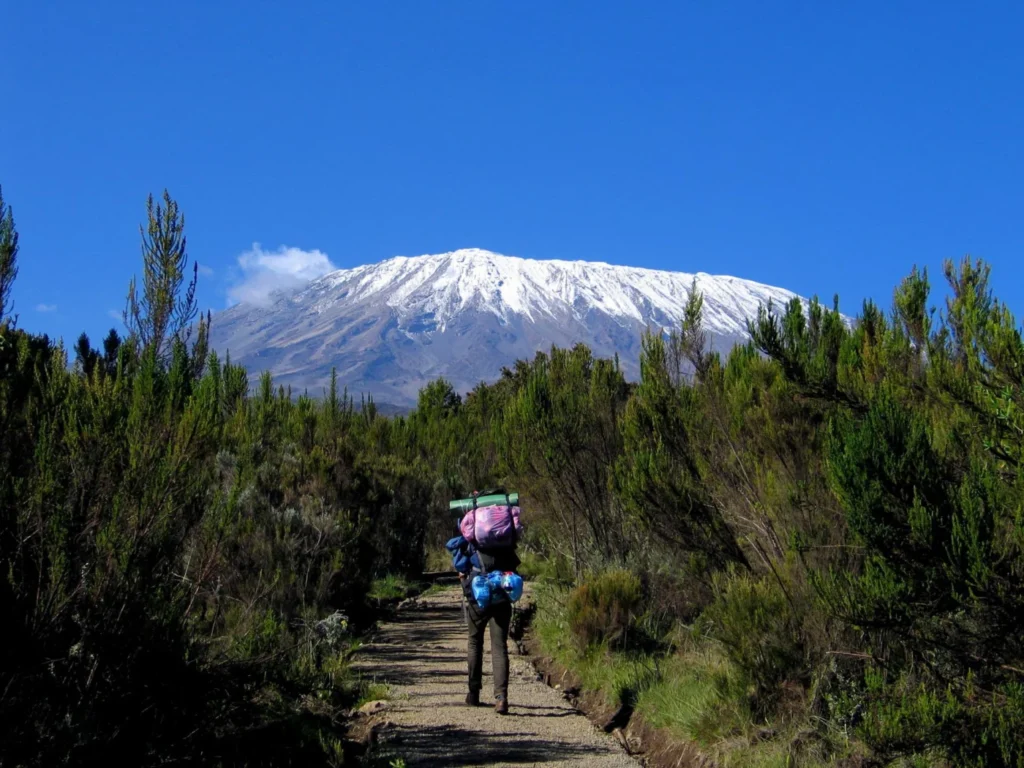
Rongai Route Itinerary: The Ultimate 7-Day Kilimanjaro Trekking Guide
Choosing the right path to the Roof of Africa requires a clear understanding of the daily demands, elevation gains, and acclimatization profiles. If you are researching the rongai route itinerary, you are looking at the most remote, driest, and uniquely scenic northern approach to the summit of Mount Kilimanjaro.
The short answer is that the recommended rongai route itinerary is a 7-day expedition that begins at the Nalemoru (Rongai) Gate near the Kenyan border and descends via the southern Marangu route. This 7-day schedule includes a crucial acclimatization day at Mawenzi Tarn, which dramatically increases your summit success rate to over 85%. While a rongai route 6 days itinerary exists, it skips this vital rest day, leading to a significantly higher risk of Acute Mountain Sickness (AMS) and summit failure.
This comprehensive guide breaks down the exact kilimanjaro rongai route itinerary day-by-day, provides elevation metrics, and offers expert tips to ensure your expedition is safe, serene, and successful.
What is the Rongai route itinerary? The recommended rongai route itinerary is a 7-day trek that ascends the quiet northern slopes of Mount Kilimanjaro and descends via the southern Marangu route. It features a gradual elevation gain, a crucial acclimatization day at Mawenzi Tarn (Day 4), and culminates in a midnight summit push to Uhuru Peak, offering an 85%+ success rate due to its superior “climb high, sleep low” profile.
The Standard 7-Day Rongai Route Itinerary
Below is the definitive, day-by-day breakdown of the 7 days rongai route itinerary:
Day | Route Segment | Elevation Gain/Loss | Walking Time | Key Highlights & Terrain |
|---|---|---|---|---|
Day 1 | Rongai (Nalemoru) Gate to Simba Camp | 1,950m → 2,830m | 3–4 hours | Hike through farmland and montane forest. Watch for black-and-white colobus monkeys. |
Day 2 | Simba Camp to Second Cave / Kikelewa Camp | 2,830m → 3,600m | 3–4 hours | Climb steadily into open moorland and heather zones. Gain first views of Kibo’s eastern icefields. |
Day 3 | Kikelewa Camp to Mawenzi Tarn Hut | 3,600m → 4,315m | 3–4 hours | Steeper climb up grassy slopes to a glacial tarn nestled beneath the jagged Mawenzi peaks. |
Day 4 | Mawenzi Tarn Acclimatization Day | 4,315m → 4,330m (Net) | 2–3 hours | Crucial Rest Day: Hike higher to aid acclimatization, then return to Mawenzi Tarn to sleep. |
Day 5 | Mawenzi Tarn to Kibo Huts | 4,315m → 4,750m | 4–5 hours | Cross the barren, lunar landscape of the “Saddle” between Mawenzi and Kibo. Early rest. |
Day 6 | Summit Day: Kibo Huts to Uhuru Peak, descend to Horombo | 4,750m → 5,895m → 3,720m | 11–15 hours | Midnight start up steep volcanic scree to Gilman’s Point for sunrise, then Uhuru Peak. Long descent. |
Day 7 | Horombo Huts to Marangu Gate | 3,720m → 1,843m | 5–6 hours | Descend through moorland and rainforest to collect summit certificates and transfer to town. |
7-Day vs. 6-Day Rongai Route Itinerary: Which Should You Choose?
When evaluating the rongai route 6 days itinerary versus the 7-day option, the decision comes down to physiology and risk management.
- The 7-Day Itinerary (Highly Recommended): Includes Day 4 at Mawenzi Tarn. This allows your body to execute the vital “climb high, sleep low” acclimatization principle. Your blood produces more red blood cells, drastically reducing the risk of AMS and pushing your summit success rate to 85% or higher.
- The 6-Day Itinerary (Not Recommended): Skips the Mawenzi Tarn acclimatization day, pushing you from Second Cave directly to Kibo Hut or Third Cave. While it saves one day of park fees and time, the rapid altitude gain causes summit success rates to plummet to around 65%, with a much higher likelihood of being forced to turn back due to altitude sickness.
Why Choose the Rongai Route Itinerary?
- The Rain Shadow Advantage: Because it approaches from the north near the Kenyan border, the Rongai route sits in the mountain’s rain shadow. It is the driest and most reliable route during the wet seasons (April–May and November).
- Remote Wilderness & Wildlife: It is the quietest route on the mountain. The lower forested slopes are also the best place to spot wildlife, including blue monkeys, colobus monkeys, and occasionally forest elephants or antelope.
- Gradual Ascent Profile: The daily elevation gains are steady and manageable, avoiding the steep, knee-jarring scrambles found on routes like the Machame or Umbwe.
The Critical Role of Expert Guidance
Executing a multi-day, high-altitude expedition requires professional oversight. The remote nature of the northern slopes means that recognizing the early signs of altitude sickness and managing logistics requires trained experts.
For comprehensive pre-trip planning, transparent itinerary comparisons, and verifying that your operator provides essential high-altitude safety gear, consulting a trusted Mount Kilimanjaro Guide is the essential first step. They will help you filter out budget operators who push dangerous 6-day schedules and connect you with reputable teams that prioritize gradual, safe acclimatization.
Furthermore, having an experienced kilimanjaro local guide is the most critical safety investment you can make on the mountain. A top-tier, Wilderness First Responder (WFR) certified guide will intimately monitor your blood oxygen saturation (SpO2) twice daily, enforce the vital “pole pole” (slowly, slowly) pace, and manage your energy output across the grueling daily elevation changes.
Because the rongai route itinerary uniquely ascends the north and descends the south, your final day will follow the classic Marangu route trail network. While this means you will finish your journey descending through the lush southern forest to Marangu Gate, it also highlights the importance of booking the full 7-day Rongai itinerary to ensure you are fully acclimatized before merging with the busier southern descent paths.
Frequently Asked Questions (FAQ)
What is the best rongai route itinerary?
The best rongai route itinerary is the 7-day schedule. It includes a dedicated acclimatization day at Mawenzi Tarn (Day 4), which is clinically proven to reduce the risk of Acute Mountain Sickness (AMS) and dramatically increase your chances of reaching Uhuru Peak.
How long is the rongai route 6 days itinerary?
The rongai route 6 days itinerary skips the acclimatization day at Mawenzi Tarn, moving directly from Second Cave to Third Cave or Kibo Hut. While it is faster and slightly cheaper, it is strongly discouraged by medical professionals due to the high risk of altitude sickness and lower summit success rates.
Does the kilimanjaro rongai route itinerary go up and down the same way?
No. The kilimanjaro rongai route itinerary is unique because it is a point-to-point trek. You ascend via the remote northern Rongai Gate and descend via the southern Marangu Gate, meaning you see two completely different sides of the mountain.
What wildlife can I see on the rongai route itinerary?
The lower montane forest sections of the rongai route itinerary (Days 1 and 2) are the best places on the mountain to spot wildlife, including black-and-white colobus monkeys, blue monkeys, bushbucks, and various tropical bird species.
